Could Delamere’s Extended ‘Root’ Addiction Treatment Programme Work for You?


Originally published 11th March 2026. Updated October 2026
- Introducing Delamere’s new treatment phase, Root
- What is Root?
- What is included in Root?
- What is ANTS?
- How is ANTS Used?
- How Do the Results Affect My Treatment?
- How Do I Join the Root Programme?
Introducing Delamere’s new treatment phase, Root
At Delamere, we’ve always aimed to do things differently. We developed our phased treatment model to offer a tailored, therapeutic approach to addiction treatment, driven by the latest research from qualified therapists.
Our person-centred addiction treatment works to help guests understand the root causes of addiction. That’s why we launched our ‘Root’ programme, a two-week extension to our core 28-day addiction treatment model.
If you or a loved one is struggling with addiction, it’s important to remember that help is available. Here, you can discover whether the Delamere Root programme is right for you.
What is Root?
Root provides guests with healing that goes deeper. It combines comprehensive assessments, experiential therapies, and responsibly structured off-site days, designed to uncover the underlying drivers of addiction.
At the heart of Root is a neuroscience-based assessment, available exclusively to Root guests, designed to map how your brain responds to stress, reward, and emotion.
You will receive a bespoke ANTS (Affective-Neural Triage Scale) report, which aids our expert team of therapists and counsellors in matching your care precisely to what your nervous system truly needs.

What is included in Root?
Alongside the innovative neuroscience-based assessment to guide the support offered during Root, you can also benefit from six extra one-to-one sessions with our team of therapists and counsellors.
The Root extension offers a range of experiential sessions and somatic therapies including cold water therapy, equine therapy, deep-dive breathwork, and deep-dive yoga.
| Feature | 28-Day Programme | Root 42-Day Programme |
| Duration | 28 days | 42 days |
| Psychoeducation | Included | Included |
| Breathwork | Introduction level | Deep-dive breathwork (plus intro) |
| Equine Therapy | Included | Included |
| Yoga | Included | Deep-dive yoga (plus intro) |
| Mindfulness | Included | Included |
| 1-1 Psychotherapy | 8 sessions | 15 sessions |
| Recovery Mentoring | 8 sessions | 8 sessions |
| Forest Bathing | Not included | Included |
| Cold Water Therapy | Not Included | Included |
| Weekend Leave | Not included | Included |
| Aftercare | 15 months | 15 months |
| Graduation Ceremony | Included | Included |
| Overall Summary | Core therapeutic programme with a full range of holistic and clinical supports | Everything in the 28-day programme plus additional nature-based resilience building, extended therapeutic supports and neurological assessments |

What is ANTS?
ANTS stands for the Affective-Neural Triage Scale. The ANTS report is designed to take the guesswork out of treatment in a way that has never been done before.
It isn’t about diagnosing or labelling you. Instead, it aims to offer a snapshot of how strongly certain emotional and cognitive networks are firing. This allows us to match you with the most helpful kinds of support during the Root programme.
How is ANTS Used?
Rather than focusing on symptoms alone, ANTS results can highlight where you may be feeling motivated or curious, or stressed and overwhelmed.
This helps our clinical and recovery teams identify the most beneficial methods of individualised support for you, such as behavioural activation, mindfulness, cognitive behavioural therapy, or trauma-focused therapy.
As you continue treatment through the Root programme, you can track progress over time through a range of psychometric tests to gain real insight into the outcomes of treatment with Delamere.
Measuring Key Affective Circuits in Root
From your answers, the ANTS report assess the likely activation levels of key affective circuits to help you understand the root causes of addiction. These include:
Seeking
This is the brain’s motivation and curiosity system. It energises exploration and the anticipation of reward. When underactive, you may feel flat or disengaged. When balanced, you feel curious and eager to pursue goals.
Rage
In its healthy form, the anger or irritation system mobilises you to set boundaries and stand up for yourself. Overactivity may show up as a chronic irritability or explosive anger. Learning to channel and soothe this energy is important.
Fear
This circuit alerts us to danger and prepares us to freeze or flee. It is essential for safety but can become overactive. Chronic worry or avoidance suggests this system is firing too much.

Panic/Grief/Loss
This social bonding system produces the distress we feel when separated from loved ones. Elevated scores suggest intense separation distress or loneliness; compassion and connection are soothing.
Discovering Your Addiction Archetype with Root
Research suggests that certain patterns of affective and neural activity may lead to a predisposition to different types of addictive behaviour. Delamere’s ANTS reports are categorised into one of three broad subtypes.
Reward-Deficit Type
Here, the seeking system and decision-making regions in the brain may be underactive.
You may feel apathetic, unmotivated and unrewarded by everyday activities. As a result, you might seek out intense stimulation, such as drugs, gambling, or extreme sports to feel ‘alive’.
Treatments such as behavioural activation and values-based therapy aim to restore natural motivation and purpose.
Stress-Surfeit Type
In this pattern, the rage, fear, and panic systems are overactive, and the reward system is relatively downgraded. You may use substances or behaviours to soothe overwhelming anxiety, anger or loneliness.
Trauma-focused CBT, dialectical behaviour therapy, and mindfulness practices help calm the threat system and build stress tolerance.
Executive-Dysfunction Type
In this subtype, the brain’s activity can lead to rumination, poor planning, and impulsivity. You may struggle to resist cravings or act on long-term goals.
Cognitive behavioural therapy, executive-skills training, and mindfulness can help strengthen self-control and reduce rumination.
How Do the Results Affect My Treatment?
The ANTS report can be seen as a starting point for conversation. It shows which systems might need support and which are already strengths.
Understanding your patterns can help you work with your therapists and mentors at Delamere to choose strategies that are most likely to rebalance your system. This includes selecting your advanced pathway and care package during Root, allowing you to go deeper with your treatment and grow beyond addiction.

How Do I Join the Root Programme?
The Root programme takes place during weeks 5 and 6 of a stay with Delamere. When you speak to our specialist admissions team, they can answer any questions you may have, and you can sign up to the Root extension straight away.
Many guests also choose to extend their stay to our Root programme after they have spent some time with us on our core 28-day addiction treatment model.
To discuss whether the Root programme could work for you or your loved one, you can book a confidential call with our expert team today.


Professional help at Delamere
At Delamere, we understand that addiction can be complex and challenging. Our comprehensive treatment approach addresses both the physical and psychological aspects of addiction, helping individuals break free from dependency and build a foundation for lasting recovery.
Our Stop, Start, Grow, Bloom programme guides guests through:
- Stopping harmful behaviours and breaking the cycle of addiction
- Starting to address the underlying psychological and emotional factors
- Growing healthier coping strategies and life skills
- Blooming into long-term recovery with ongoing support

Latest from Delamere
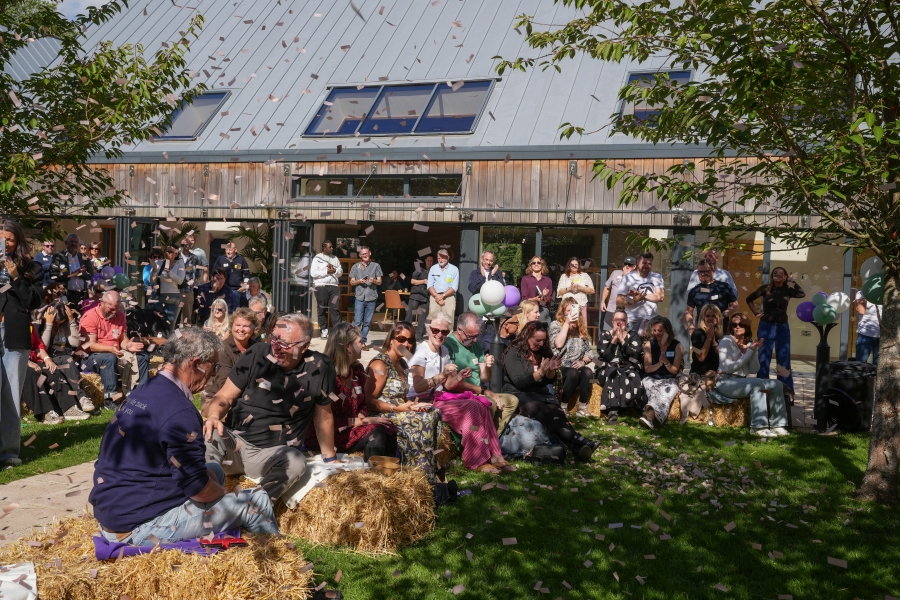
200 Attend Delamere’s 2026 Alumni Event: The Rhythm of Recovery
We opened the doors at Delamere to welcome back almost 200 former guests & celebrate recovery with a for our 2026 alumni…

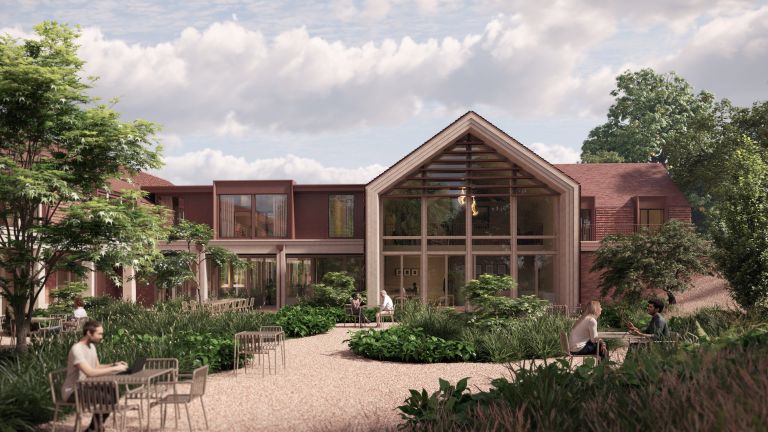
Delamere Expands to Nottingham with Second Purpose-Built Facility
Delamere is bringing its pioneering addiction treatment to Nottingham. Our new 32-bed, purpose-built facility opens in late 2027. Read more.


Recovery Journeys – Glynn Horne
For the fourth instalment of Recovery Journeys, we’re sharing Glynn’s story. Glynn discusses what he faced due to his addiction to alcohol.

Recovery Journeys: How burnout opened the door to addiction
Our former guest Mike recently discussed his personal experience of burnout on BBC Morning Live. Learn more about his story.