
Cannabis is no longer just a ‘gateway drug’

What’s included?
- Introduction
- The effect of cannabis on the brain
- Understanding cannabis addiction
- Recognising the signs of cannabis addiction
- Professional help at Delamere
- Get in touch with Delamere today
A recent study from King’s College London and the University of Bath has highlighted a serious concern: cannabis use, particularly from a young age, increases the risk of paranoia and poor mental health outcomes.
A common misconception is that cannabis is at the more harmless end of drug use because on its own it ‘poses no risk to life’.
This is far from the truth.
ONS found that 43 deaths in 2023 were due to cannabis consumption.
This figure does not include suicides or deaths linked to cannabis-induced mental health episodes.
A lack of comprehensive education regarding the potential harms of cannabis has resulted in its widespread and often uninformed use.


Call us confidentially at any time to speak to a member of our team.
Call us now: 0330 111 2015
The effect of cannabis on the brain
The main active ingredient in cannabis, tetrahydrocannabinol (THC), is strongly psychoactive – frequent or excessive use can cause lasting damage to the brain.
Long-term use of the drug has also been linked with permanent problems with attention, memory, learning, and problem-solving skills.
Over time, some people develop a tolerance to the effects of cannabis, which encourages them to take it more frequently and in high doses, leading to dependency and putting them at risk of addiction.
Cannabis addiction over time may strain relationships, impact occupational performance, damage finances, and take a toll on mental well-being over time.
Many users attempt to self-medicate underlying mental health conditions with cannabis, which often worsens symptoms and further complicates treatment.
Understanding cannabis addiction
Cannabis addiction is a progressive, chronic condition of the brain, characterised by compulsion and continued use despite negative consequences such as strains on relationships, mental health, finances, and social wellbeing.
An ONS report found that cannabis has consistently been the most used drug in England and Wales since 1995, with 6.8% of the UK population having used the drug from March 2023-2024.
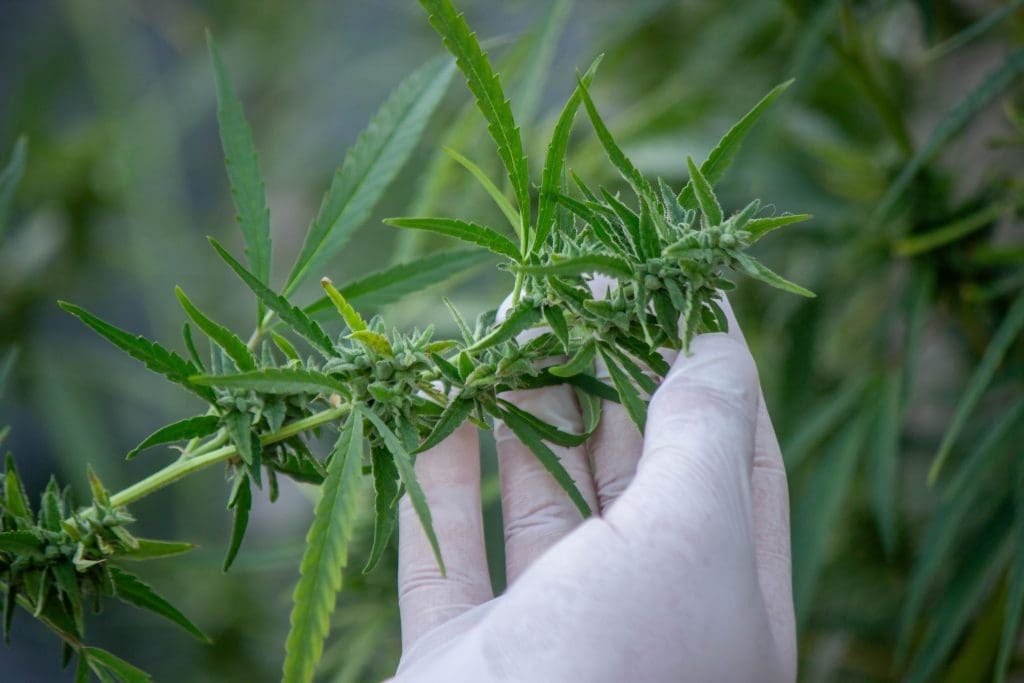
Those struggling with cannabis addiction may experience:
- Paranoia, delusions, or intense anxiety.
- Depression or mood swings.
- Cognitive impairments, including memory loss and difficulty concentrating
- Deteriorating relationships and occupational performance.
While not everyone who uses cannabis will move on to other drugs, excessive use can lead to addiction, which may increase the likelihood of using more dangerous substances over time.
Recent data shows admissions for cannabis treatment at Delamere have doubled over the past year, with a 125% increase compared with 2024 and a 55% rise in cannabis addiction-related enquiries.
Recognising the signs of cannabis addiction
Spotting when cannabis use has become harmful isn’t always easy.
Some common signs include:
- Using more cannabis than intended or at inappropriate times.
- Increasing frequency or potency of cannabis use due to tolerance.
- Obsessing over how and where to get cannabis.
- Continuing use despite negative consequences to health, finances, or relationships.
- Experiencing withdrawal symptoms such as anxiety, irritability, insomnia, restlessness, or cravings.
Professional help at Delamere
At Delamere, we understand that cannabis addiction is a complex condition that requires specialised care.
Our Stop, Start, Grow, Bloom programme guides guests through:
- Stopping harmful behaviours of cannabis addiction safely through a clinical detox designed to reduce withdrawal symptoms.
- Starting to address the underlying psychological and emotional aspects of the addiction.
- Growing healthier coping strategies and resilience to addiction through holistic therapies such as equine therapy.
- Blooming into long-term recovery and life beyond addiction in the real world with loved ones.
Get in touch with Delamere today
Cannabis addiction is not something to face alone.
Professional support can not only help break the cycle of dependence but also provide tools to rebuild relationships, improve mental health, and regain control over life.
If you or a loved one is struggling with cannabis use, Delamere is here to help.

Our team of addiction specialists, therapists, and psychiatrists provide personalised care to guide guests towards lasting recovery.
Call us today on 0330 111 2015 or email [email protected] to book a confidential consultation and learn more about how we can support you on the journey to recovery.
Call us confidentially at any time to speak to a member of our team.
Call us now: 0330 111 2015

Professional help at Delamere
At Delamere, we understand that addiction can be complex and challenging. Our comprehensive treatment approach addresses both the physical and psychological aspects of addiction, helping individuals break free from dependency and build a foundation for lasting recovery.
Our Stop, Start, Grow, Bloom programme guides guests through:
- Stopping harmful behaviours and breaking the cycle of addiction
- Starting to address the underlying psychological and emotional factors
- Growing healthier coping strategies and life skills
- Blooming into long-term recovery with ongoing support

Latest from Drugs
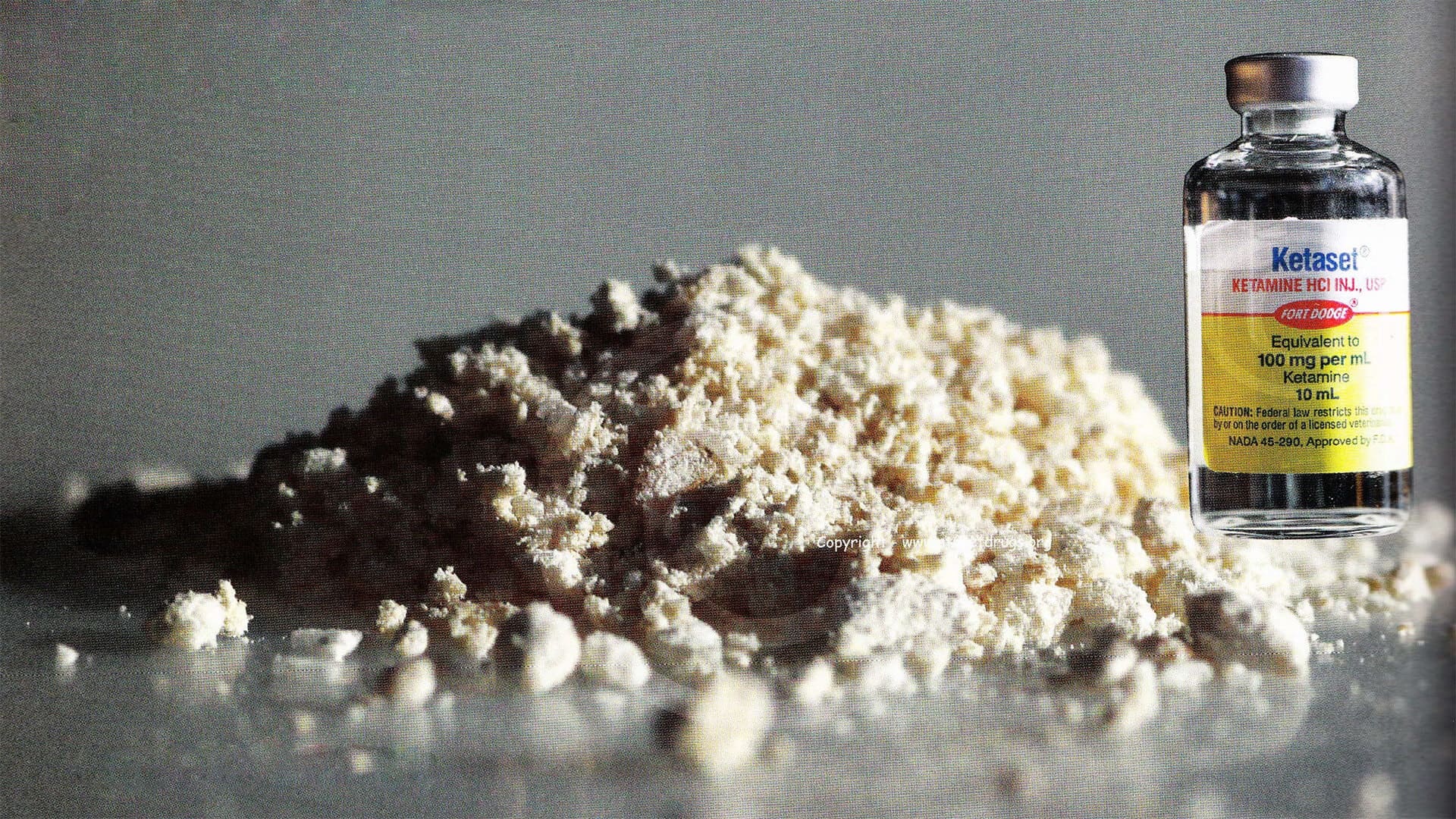
Everything you need to know about ketamine bladder
What is ketamine bladder? Find out everything you need to know about ketamine bladder at Delamere Health.


Paying the price for a party: How cocaine can affect the brain
Delamere takes a look at how cocaine can affect the brain. Read our blog 'paying the price for a party'. Get help…

Why ketamine addiction is on the rise
Ketamine addiction is on the rise in the UK, and Delamere looks at why. Find out more about ketamine rehab today.
UK Drug Addiction Report 2023
Delamere reveals how alcohol and drug use differs across the UK in the drug addiction report 2023.