

Librium detox: A guide to withdrawal and recovery

- What is a Librium detox?
- Why do people need a Librium detox?
- What is the Librium detox process?
- How long does Librium detox take?
- What are Librium withdrawal symptoms?
- What happens after Librium detox?
- How can Delamere help with Librium detox?
Chronic use of anti-anxiety drugs, like Librium, is on the rise, leading to more cases of dependence and addiction. Here, we discuss the addictive potential of benzodiazepines and when a Librium detox may be required.
What is a Librium detox?
You might have heard of Librium, the brand name for chlordiazepoxide, being used to manage alcohol withdrawal symptoms. But people can and do get addicted to the drug itself, leading to the need for a Librium detox.
Librium belongs to a category of drugs called benzodiazepines, which are often prescribed to manage anxiety and insomnia. Due to their high addiction potential, drugs like Librium should be limited to short-term use.
However, in recent years, a rise in anti-anxiety prescriptions is correlating with an increase in chlordiazepoxide addiction. The only way to safely withdraw is with a Librium detox. This involves gradually tapering off Librium under medical supervision with a careful balance of medication, fluids and nutritional support.
Why do people need a Librium detox?
Since its introduction in the sixties, Librium has faced scrutiny over its potential for misuse, especially among middle class women.
Librium works by acting on a naturally occurring chemical in the brain called gamma aminobutyric acid (GABA). Low GABA activity is associated with anxiety, depression, mood swings and insomnia.
In the short-term, increasing the effects of this neurotransmitter makes people feel calmer and more relaxed. That’s why Librium is often prescribed during alcohol withdrawal.
However, taking too much Librium over a long period has a detrimental effect on both mental and physical health. As the nervous system adapts to this calming effect it struggles to self-regulate, making periods of stress unmanageable.

Signs you may have a Librium dependence
- Increased anxiety with lower doses
- Feeling like you can’t cope without it
- Restlessness and irritability
- Constantly thinking about Librium
- Prioritising Librium over work and family commitments
What is the Librium detox process?
If you have developed a physical dependence on Librium, the first stage of the process is a medically managed detoxification.
Physical and mental assessment
You may be anxious about how you’re going to feel throughout the Librium detox process. At Delamere, we do a thorough physical and mental health assessment of every patient before we begin treatment.
Unlike other rehab centres, we tailor the regime to meet your individual needs, to help you detox at your own pace.
Medically managed detoxification process
Stopping Librium suddenly is incredibly dangerous. By booking into a rehab clinic, you can take away any worry about the detox process.
During your medical detox from Librium, you will have plenty of time to rest and recuperate in the comfort of your own private ensuite room.
You may be prescribed medication, including nutritional supplements, to manage the side effects of withdrawing from Librium.
Therapeutic support and aftercare
Following your Librium detox, you’ll be supported with one-to-one counselling and group therapy sessions.
Working with your focal counsellor and peer groups, you will take part in a range of activities and holistic therapies designed to enhance your recovery.
These range from journalling and breathwork to art and music therapy. No two treatment plans are the same.

How long does Librium detox take?
A typical drug detox takes around seven days, depending on the severity of your addiction and the way your body responds to withdrawal.
Day 1-3
Withdrawal symptoms begin, managed with medication.
Day 7
Withdrawal symptoms peak and start to subside.
Week 1 and 2
You will begin to feel physically and mentally stronger, supported with therapy.
Month 1
Most withdrawal symptoms and cravings will have gone within one month.

Call us confidentially at any time to speak to a member of our team.
Call us now: 0330 111 2015
What are Librium withdrawal symptoms?
With continued use, both the body and brain become dependent on Librium. This can lead to severe side effects if you try to quit ‘cold turkey’.
A Librium detox is designed to combat the negative side effects of chlordiazepoxide withdrawal.
Without this medical intervention, depending on the amount and duration of Librium abuse, symptoms may include:
- Increased anxiety
- Nausea and vomiting
- Insomnia
- High blood pressure
- Seizures
- Constipation
- Heart palpitations
- Psychosis and hallucinations
What happens after Librium detox?
With physical symptoms managed, one of the most important aspects of your Librium addiction programme is counselling.
As people take Librium for anxiety, this is often the biggest symptom of the detox withdrawal process. Understanding what is causing you to feel anxious and finding ways to cope is crucial to lasting recovery.
Following a safe and comfortable Librium detox your treatment will focus on:
- Talking therapies such as Cognitive Behavioural Therapy (CBT)
- Relapse prevention strategies
- Peer group support
- Family therapy
- Holistic and alternative therapies
- Ongoing aftercare from addiction specialists
How can Delamere help with Librium detox?
If you feel like Librium is taking over your life, it’s time to seek professional help. We provide medically supervised drug detox programmes specifically designed for chlordiazepoxide addiction.
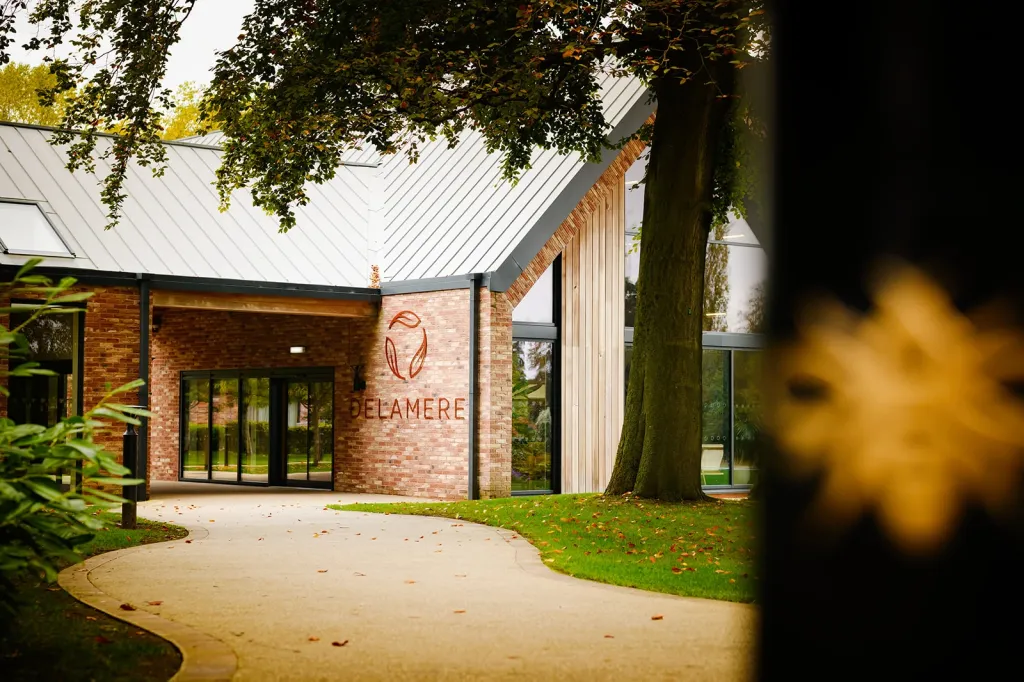
You will be supported by our nursing staff 24/7 to ensure any unpleasant withdrawal symptoms, such as anxiety, insomnia and tremors, are minimised.
We will gradually taper your Librium dose safely over several days until you are no longer physically addicted before undergoing intensive therapy. Our aim is to get to the root cause of your Librium addiction and help you live life free from drugs.


Professional help at Delamere
At Delamere, we understand that addiction can be complex and challenging. Our comprehensive treatment approach addresses both the physical and psychological aspects of addiction, helping individuals break free from dependency and build a foundation for lasting recovery.
Our Stop, Start, Grow, Bloom programme guides guests through:
- Stopping harmful behaviours and breaking the cycle of addiction
- Starting to address the underlying psychological and emotional factors
- Growing healthier coping strategies and life skills
- Blooming into long-term recovery with ongoing support

Latest from Prescription Drugs
Key signs to look out for that put you at risk of pill addiction
At the beginning of this year, Adam Collard opened up about his painkiller addiction. We've pulled together risks to look out for.

Signs of prescription drug dependency
Long-term dependency on prescription drugs can lead to a wide range of health complications, find out more at Delamere.


5 signs someone has a painkiller addiction
If you or someone you know is struggling with painkillers, here are 5 signs to look out for regarding painkiller addiction.

The Rise In Prescription Drug Addiction
Delamere wellness retreat discusses the rise in prescription drug Misuse and what to do if you’re addicted to prescription drugs.