How the Brain Recovers from Addiction
Last Updated & Reviewed:



How does the brain change in addiction, and how does it build new paths in recovery? This short animated film explains the neuroscience of addiction and neuroplasticity through a simple image: a path across a field.
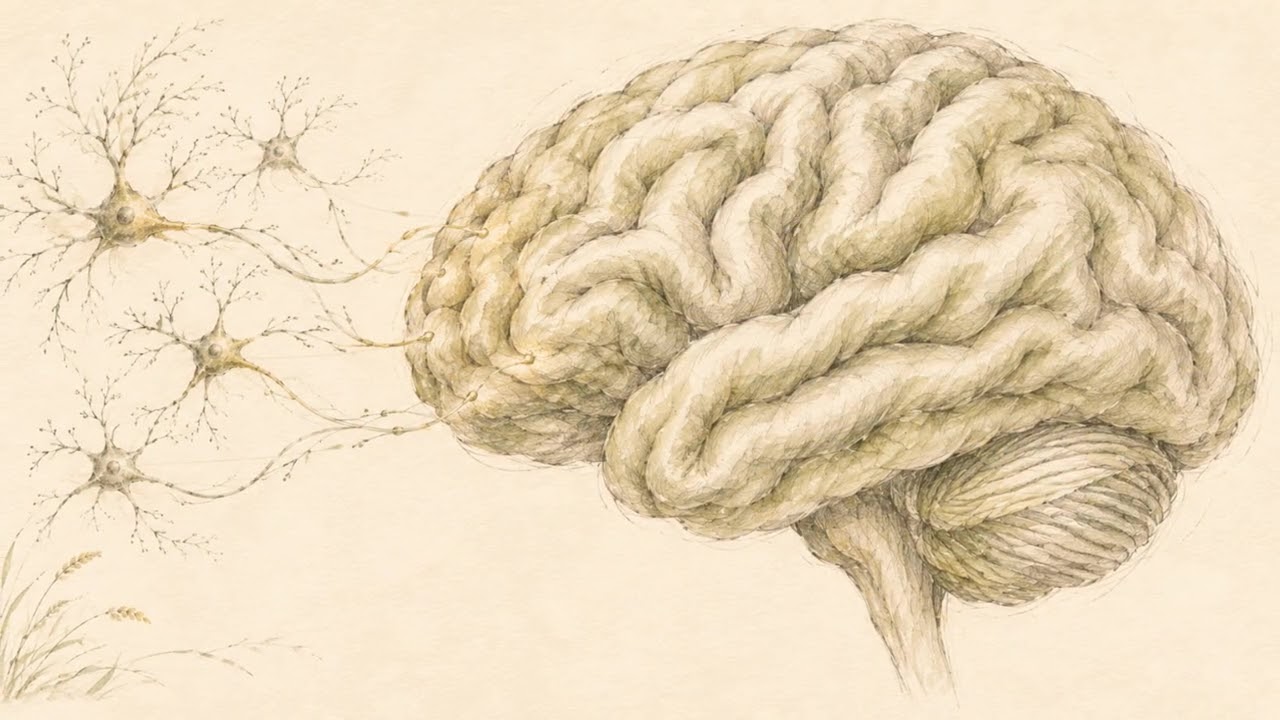
Transcript
Picture a path across a field. Each journey bends the grass and makes the way easier to find. Our brains learn through experience, too. Connections between brain cells can change. This capacity to adapt is called Neuroplasticity.
In addiction, a substance or behaviour can become a familiar route to relief, excitement, or escape. It may once have seemed to offer something important. Repeated journeys teach us where to look and what to expect and which way to turn. The road carries a history. Feelings, places, and memories become signposts. Before we have weighed every option, this route may already have our attention. All the destinations still exist, but they can feel distant or scarcely register.
Stopping can create space for change. But if the whole map becomes “take the old road” or “do not take it,” the old road still sits at the centre. We need somewhere else to go and ways of getting there. Those destinations need to mean something to us. A conversation where we feel understood. A task that brings satisfaction, time outdoors, a shared meal, or a skill we want to learn. Different experiences can offer different kinds of reward.
Reaching them is not always easy. Anxiety can make everything feel too much. Flatness can make little seem worth doing. We may struggle to begin, plan, or follow through. These experiences can overlap, and the support we need can change.
The brain is part of a living body. Sleep, health, stress, and energy affect the journey. Therapy, supportive relationships, and a routine that is manageable can help us find an approach we can practice even when motivation is low.
A new path begins with an action small enough to take. We try it, return to it, and adapt it. Repetition gives us more opportunities to learn that another response is possible. With time, the route can become easier to notice and use.
What happens along the way matters. A moment of enjoyment and connection or achievement can make an activity worth returning to. When that experience makes us more likely to repeat it, we call this reinforcement. The new route begins to lead somewhere rewarding.
Sometimes those rewards are quiet at first. We may notice a little more ease after a walk, or belonging after seeing someone. Support helps us recognise what is helpful, adjust what is not, and keep exploring.
As these experiences accumulate, the map can change. More places catch our attention. More roots become familiar. The old road may be grow quieter, with grass along its edges, because it is no longer our only well-practised way of responding.
A familiar signpost may still draw the eye. It does not erase the other journeys. We can pause, reconnect with support, and choose a route that fits what we need. Now recovery becomes more than repeatedly resisting the same turn.
The landscape grows richer. Other places become worth reaching, as meaningful, rewarding experiences become part of our everyday life. The old road can lose its place at the centre of our map.
See more from Chris on our YouTube Channel
Professional help at Delamere
At Delamere, we understand that addiction can be complex and challenging. Our comprehensive treatment approach addresses both the physical and psychological aspects of addiction, helping individuals break free from dependency and build a foundation for lasting recovery.
Our Stop, Start, Grow, Bloom programme guides guests through:
- Stopping harmful behaviours and breaking the cycle of addiction
- Starting to address the underlying psychological and emotional factors
- Growing healthier coping strategies and life skills
- Blooming into long-term recovery with ongoing support

Latest from Addiction Recovery
What does the future look like for addiction treatment?
What does the future look like for addiction treatment? Discover how alternative approaches & holistic therapies have been adopted.

Breaking the stigma: Why diverse recovery narratives matter
How media portrayals shape addiction stigma & recovery myths, & why diverse, authentic recovery narratives are essential for understanding & support.


Why the world is turning to the UK for addiction treatment
Find out why the world is turning to the UK for addiction treatment & how health tourism is on the rise according…


Common Boundary Mistakes Families Make
Delamere Wellness Retreat explores some of the common boundary mistakes families make while providing support in recovery.