

What does the future look like for addiction treatment?

- Introduction
- What are GLP-1s?
- How could GLP-1s help recovery from addiction?
- What are some potential drawbacks?
- What next for GLP-1s and Delamere?
Addiction treatment has been shaped and changed greatly in the last century. The 12-step treatment programme was founded in 1935, and for many years remained the standard for addiction treatment across the USA and UK.
In the last few decades, alternative approaches and holistic therapies have been widely recognised as just as effective, and in some cases more so, than the traditional 12 Step method.
As medicine and research continue to develop, rehabilitation clinics will have to adapt to incorporate new and exciting discoveries into treatment programmes, to ensure that guests get the best possible treatment.
In the last few years, GLP-1 agonist medications have become better known to the general population as ‘weight-loss jabs’, or have even become known by the company names such as ‘Ozempic’ and ‘Mounjaro’.
Early research from pre-clinical studies has shown that the GLP-1 receptor agonists may have the potential to be used in addiction treatment, to reduce cravings and help to prevent relapse.
What are GLP-1s?
GLP-1s are glucagon-like peptide-1 receptor agonists, which are commonly injected but will soon be commonly available for oral intake too.
The GLP-1 agonist medications work on the gut-brain axis, engaging the pancreas, brain and gut to evoke responses.
GLP-1 hormones are naturally occurring in the small intestine, triggering insulin creation in the pancreas, slowing stomach emptying and producing the feeling of satiety in the brain.
In the last few years, GLP-1 receptor agonists have been prescribed for weight loss because they mimic the ‘full’ hormones that communicate with the hypothalamus in the brain to signal for a person to stop eating.
In October, it was reported by the Telegraph that 2.5 million in the UK were using GLP-1 agonist medications for weight loss.
How could GLP-1s help recovery from addiction?
GLP-1 receptor agonists blunt the whole reward system, which is why many remark on the ‘food noise’ dying down when taking the drugs – because the brain won’t crave a ‘treat’ if the dopamine hit afterwards isn’t as strong.
This same logic can be applied to GLP-1 receptor agonist use in addiction treatment. The suppression of the reward system can reduce the feelings of cravings and urges.
However, they are not currently approved for addiction treatment in the UK, and the available clinical evidence is not yet sufficient to support their routine use for substance use disorders.
If confirmed to be safe and effective, GLP-1 receptor agonists could become a valuable additional tool, used alongside established therapies to help manage cravings and support recovery.
What are some potential drawbacks?
More research is required before GLP-1 receptor agonists can be used in addiction treatment alongside current methods, including talking therapies and holistic methods.
Until high-quality clinical trials show that GLP-1 drugs are safe and effective for treating AUD, clinicians should continue to use established treatments such as naltrexone or acamprosate first.
What next for GLP-1s and Delamere?
As addiction treatment has changed in different ways in the last century alone, we can be sure that in years to come, methods will continue to shift to use the latest medicines and research.
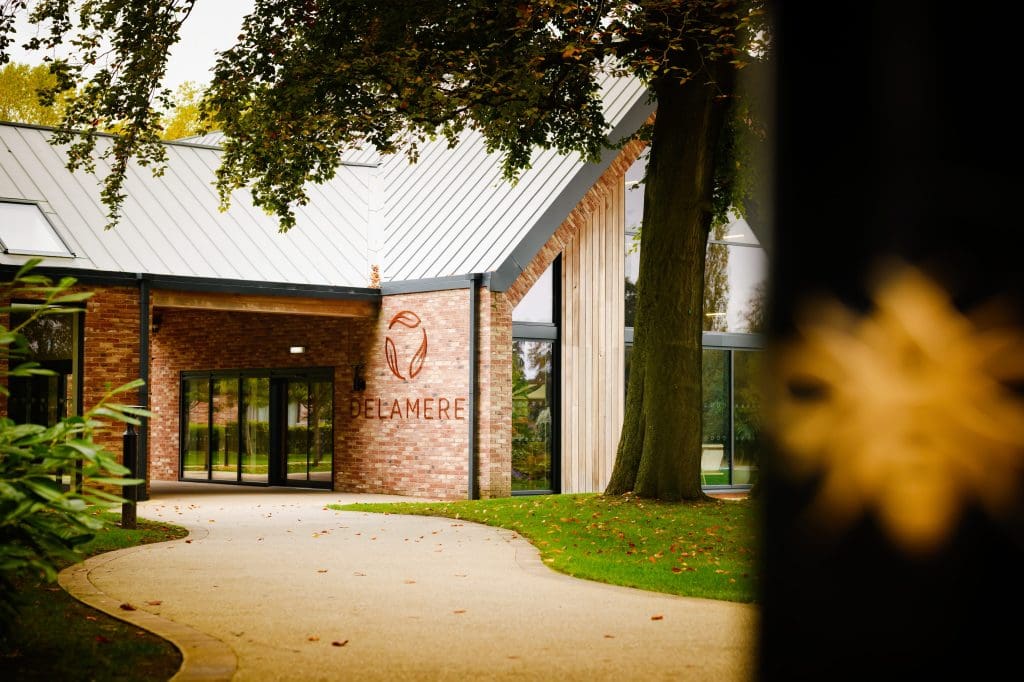
As the UK’s first purpose-built rehabilitation clinic, with a unique, person-centred treatment model, we are proud pioneers of modern addiction treatments, and will continue to monitor research developments on GLP-1 use in recovery closely.
Until the safety and effectiveness of GLP1s as addiction treatment are fully established, we strongly encourage seeking support through existing, evidence-based treatments.


Professional help at Delamere
At Delamere, we understand that addiction can be complex and challenging. Our comprehensive treatment approach addresses both the physical and psychological aspects of addiction, helping individuals break free from dependency and build a foundation for lasting recovery.
Our Stop, Start, Grow, Bloom programme guides guests through:
- Stopping harmful behaviours and breaking the cycle of addiction
- Starting to address the underlying psychological and emotional factors
- Growing healthier coping strategies and life skills
- Blooming into long-term recovery with ongoing support

Latest from Addiction Recovery

Breaking the stigma: Why diverse recovery narratives matter
How media portrayals shape addiction stigma & recovery myths, & why diverse, authentic recovery narratives are essential for understanding & support.


Why the world is turning to the UK for addiction treatment
Find out why the world is turning to the UK for addiction treatment & how health tourism is on the rise according…


Common Boundary Mistakes Families Make
Delamere Wellness Retreat explores some of the common boundary mistakes families make while providing support in recovery.


Why Trust Takes Time in Addiction Recovery
Advice on trust and patience for family and friends affected by drug and alcohol addiction from Delamere wellness retreat.