

Jump to a section ▼
Speak with our admission team
Call now on 0330 111 2015The active ingredient in alcohol, ethanol is a powerful toxin that can cause a variety of short term and long term effects to the body and brain, especially when consumed in excess.
Generally, alcohol only becomes a problem for someone when they are drinking too much or too frequently. This is when alcohol can start to take its toll.
Here we look at the negative effects of alcohol, both in the short term and long term so that you can make an informed decision around your own personal drinking habits
For someone who drinks within the Chief Medical Officers safe drinking guidelines of 14 units spread evenly over the course of a week, only alcohol’s positive effects will generally be felt. However, if you are regularly drinking more than this, not only will you feel the short term side effects of alcohol but you will be at increased risk of suffering from the long term negative effects of alcohol.
Alcohol is a depressant drug, that due to its ease of availability and social acceptance is often abused in the form of binge drinking. It is not unusual for a person to see binge drinking as a way of ‘letting their hair down’. However, binge drinking often results in alcohol’s unpleasant side effects the following day, commonly known as a ‘hangover’. The more alcohol consumed, the more unpleasant and lengthily the aftermath of recovery.
As we get older we also become less tolerant of alcohol effects. This is because as we age, our vital organs that are responsible for processing alcohol work less efficiently. Lifestyle and general physical health also becomes a huge factor in the way and speed at which we are able to rid alcohol from our system.
The short term effects of alcohol can often be felt within minutes of consuming an alcoholic drink. The degree to which we feel these effects will also be influenced by the following factors:
The human liver can process on average 1 unit of alcohol per hour. Depending on the number of units you consume, will affect the level of intoxication and duration of effects. Binge drinking overloads the liver and causes a backlog of units to build up. This causes the liver to function less efficiently causing the effects of alcohol to be felt for longer. (1)
The short term physical effects of alcohol include:
Alcohol acts directly on many areas of the brain, changing the way the brain functions and communicates. This in turn is responsible for the physical and psychological changes experienced whilst under the influence.
Psychologically alcohol can have many effects, some of which are very negative.
The short term psychological effects of alcohol include:
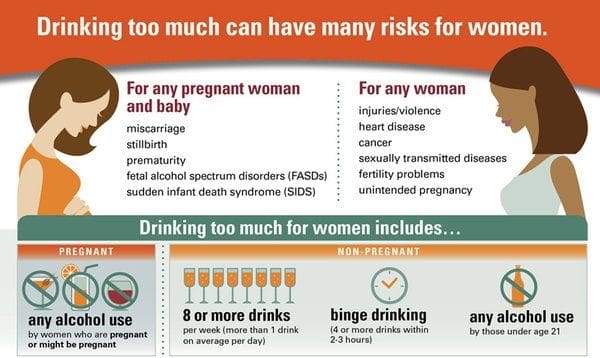
Alcohol tends to affect women more than men. When a man and woman drink the same amount of alcohol, the woman’s blood alcohol content will nearly always be higher. Women are also at greater risk of alcohol’s harmful side effects.
Women suffering from alcoholism nearly always deteriorate at a much faster rate than male alcoholics. The reasons that women are affected more by alcohol include:
Women, on average, tend to be smaller than men. This means that the same amount of alcohol is being consumed by a smaller body.
Women metabolize alcohol differently from men. In women that consume a lot of alcohol, their stomach absorption rate is far less meaning that nearly all of the alcohol goes directly into their bloodstream (2)
Alcohol is held in the body’s water rather than the body’s fat. Women generally have a higher proportion of fat than men and so have less water to hold the alcohol. This causes the alcohol to be more concentrated in women (3)
 Detox safely in our medical facility
 Free collection
 Future-proof
Drinking heavily over prolonged periods of time carries many risks to the body and mind. Some of these risks cannot be reversed by quitting alcohol.
Where damage is sustained to the liver and brain through excessive alcohol consumption, a person’s quality of life can be heavily compromised. This is something to bear in mind if you are a regular heavy drinker or suffer from an alcohol use disorder.
The more alcohol consumed the higher the risk of developing alcohol related complications in the long term.
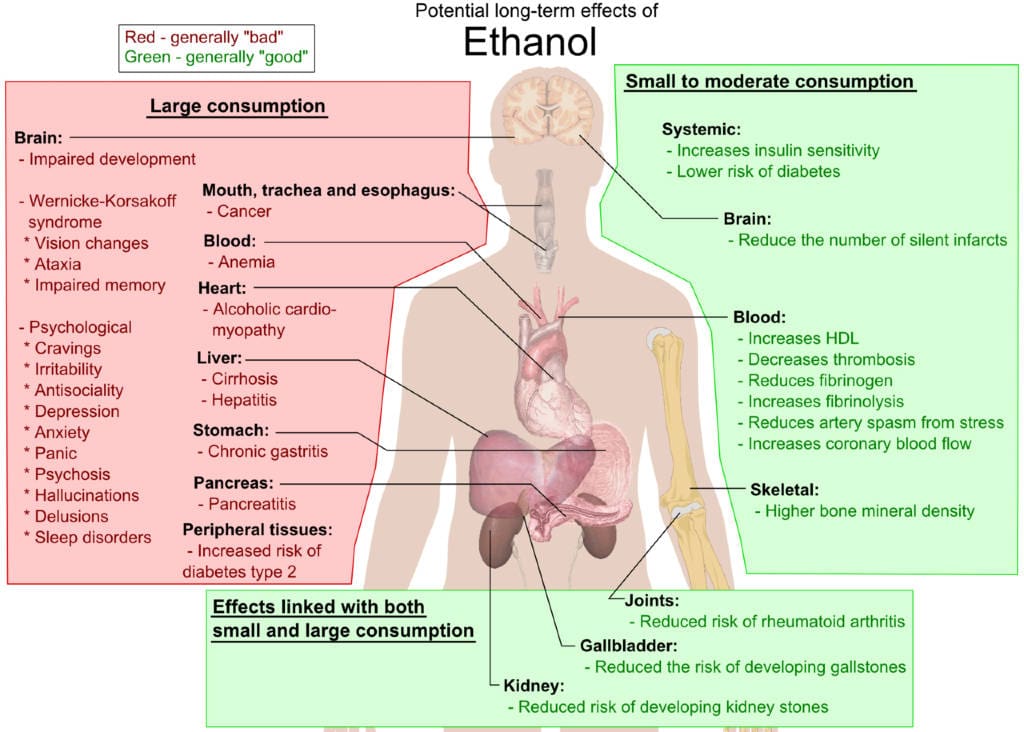
The long term physical effects of alcohol on the body include:
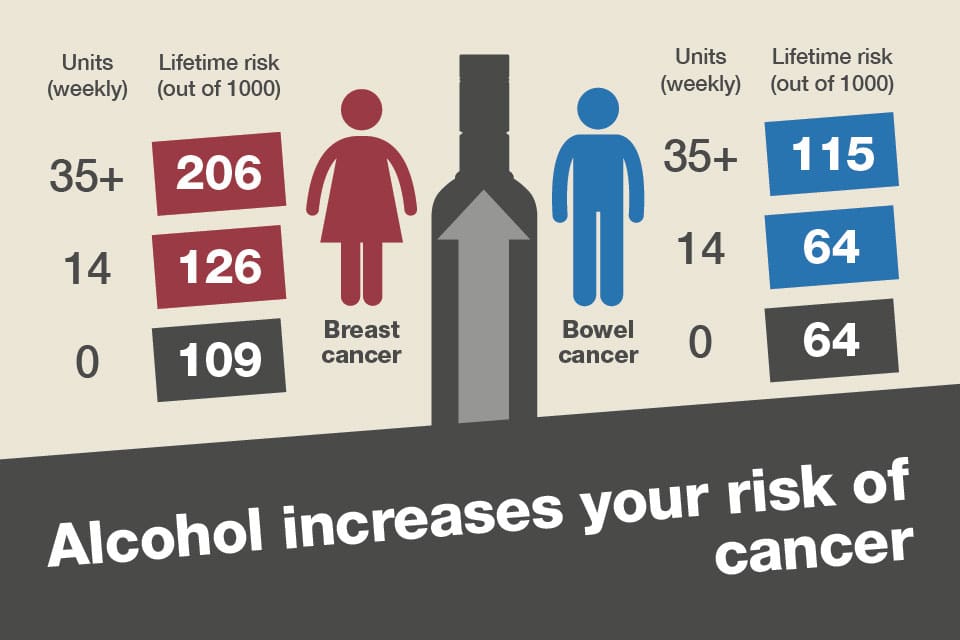
Source: GOV.UK Health Matters – harmful Drinking and Alcohol dependence
Generally these negative side effects resulting from long term alcohol use only apply to those that regularly abuse alcohol.
As well as causing harm to the body’s vital organs, alcohol abuse leads to brain damage. The more the brain is exposed to alcohol’s active ingredient ethanol (essentially a poison) the more damaged the brain becomes. As previously mentioned, alcohol acts on a number of areas in the brain. Constantly exposing these areas to alcohol can cause permanent, irreversible brain damage.
The long term psychological effects of alcohol on the brain include:
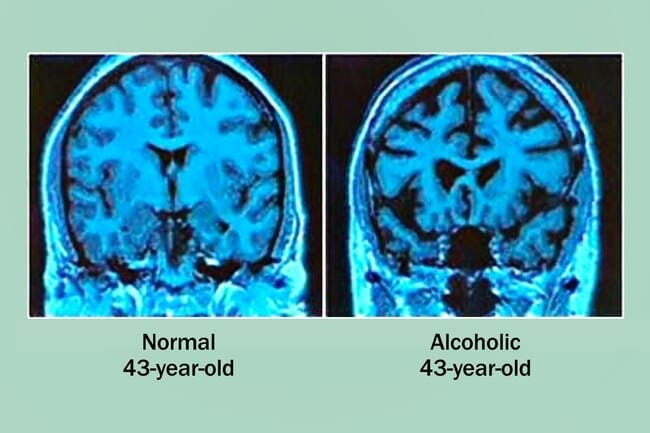
Alcoholism and alcohol abuse cause chronic brain damage, eroding parts of the brain, depleting dopamine production and causing it to function at reduced capacity and abnormal manner.
Abusing alcohol frequently can lead to the development of alcoholism (alcohol addiction). When this happens, the brain changes to prioritise alcohol above all else, even the things that are good for us. Someone suffering from alcohol addiction will continue to misuse alcohol despite negative consequences to various areas of their life.
The compulsion to use alcohol in an alcoholic brain is so overwhelming that the sufferer often suffers huge losses and harms, yet will have an impaired ability to stop or control their drinking.
More often than not, someone suffering from alcohol dependence or alcohol addiction will require a residential treatment stay in order to recover.
Other long term effects of alcohol abuse & addiction include:
You can reduce the risk of developing alcohol related physical and mental health problems by drinking within the Chief Medical Officers safe drinking limits of 14 units per week, spread evenly with several alcohol free days.
If you currently have a problem with alcohol and have already started to suffer from alcohol’s negative effects, you may want to look at your drinking habits and make a concerted effort to change them.
If you suffer from an alcohol dependence or addiction, it is vital that you seek professional medical and therapeutic help without delay. Leaving an alcohol use disorder untreated, will only cause it to become worse over time, with the more severe effects of alcohol becoming ‘yets’ (as in yet to happen) rather than a possibility.
If you or a loved one are struggling with alcohol and want help, Delamere provide bespoke alcohol detoxes and rehabilitation programmes delivered within our state of the art addiction treatment and behavioural wellness facility.
At Delamere we are passionate about helping alcoholics to heal and move beyond their addiction. Our CQC registered treatment facility is purpose built to deliver intensive residential treatment, including a vast array of innovative holistic treatments combined with traditional evidence based therapies and medicine.
Call us today to find out how we can help you or a loved one to overcome a problem with alcohol by healing the root causes and providing you with the tools and support to live a long and happy sober life.


References:
Start your recovery journey by calling our admissions team today.
Confidential. Straightforward. Friendly.