




Speak with our admission team
Call now on 0330 111 2015Jump to a section ▼
Whilst most people are able to stop drinking alcohol when they feel they have had enough, there are some individuals who are unable to moderate or control their own drinking. As a result, these people often suffer the negative and harmful effects of alcohol.
In an ideal world everyone would be able to keep their alcohol consumption within healthy limits, yet some people are unable to achieve this, or sustain it. Out of these people there will be a minority who experience very little or no control over their drinking once they have taken that first drink. It would make sense for these people not to drink at all wouldn’t it?
Those that suffer from alcoholism, suffer from a brain disorder that forms through repeated exposure to alcohol. Once an alcohol use disorder has formed in the brain, the individual affected is unable to control certain elements of their drinking. As the condition (alcoholism) progresses, which it will without treatment or intervention, their lack of control around alcohol starts to affect every aspect of their life. At its worst, alcoholism, also known as alcohol addiction and alcohol use disorder, is a life-threatening condition.
For those that are unable to implement a harm reduction alcohol strategy to protect themselves and others form the negative effects of drinking alcohol, the only solution would be to undergo specialist treatment in the form of an alcohol rehabilitation programme; such as the one we offer here at Delamere.
Being an alcoholic is not the person’s fault. Alcoholism is very similar to other chronic psychiatric and physical diseases in that it can respond very well to treatment but that there is no permanent cure.
Alcohol addiction is not a choice, it is chronic and progressive physiological and psychiatric illness that results from alcohol related brain damage. It can be treated and it can be prevented but it cannot be cured. We cannot emphasise this enough. (1)
At some point during an alcoholics relationship with alcohol, they lose all control over their ability to resist alcohol and their alcohol consumption when they start to drink.
This distinct lack of control that characterises addiction is due to parts of the brain responsible for impulse and self-control becoming severely damaged through excessive exposure to alcohols toxins.
Addiction is progressive, therefore consequences become increasingly worse until they reach life-threatening levels. Left untreated, many that suffer from an alcohol use disorder sadly die.
At Delamere we recognise that there is a definite scale for the severity of alcohol use disorders. For those in the early stages of alcoholism, perhaps those who binge drink but manage to retain an element of control whilst drinking and in between drinking, harm reduction measures to help manage and reduce harmful drinking can be very beneficial.
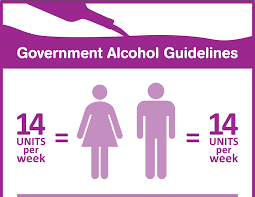
Before considering specific harm reduction measures around your own drinking habits, it is important to know and try to follow what is medically recommended to protect your health.
The Chief Medical Officers drinking guidelines for both men and women states:
Not only is drinking more than the recommended safe drinking guidelines harmful to your physical health but it can also gravely impact on your mental health.
Alcohol is a depressant drug; when alcohol is used in excess over prolonged periods of time it can cause long-term mental health problems, including: depression, anxiety, psychosis and alcohol dependence. The more you drink the more complex these conditions become to treat and reverse.
 Detox safely in our medical facility
 Free collection
 Future-proof
There are certain situations where it is best not to drink at all. This is because any amount of alcohol can have a harmful effect.
You should not drink alcohol when:
By not drinking any alcohol if any of these circumstances present, you are giving yourself and any person you are looking after the best chance of keeping safe.
Minimising the risks of harmful drinking – Alcohol harm reduction strategy
If you are planning a night out of drinking, there are certain steps you can take to minimise the risks that drinking excessively brings.
We recommend that you take the following steps to help safeguard yourself (and others) against alcohol related harms.
Tips for safer drinking:
It is important to note that the more you drink the less control you will have over following and implementing tips and strategies for reducing harmful drinking.
If you find that your drinking is spiralling out of control and that a night out (or in) more often than not ends up with you drinking far more than initially intended, it may be time to seek professional help before things get any worse.
We at Delamere specialise in treating all manner of alcohol use disorders, professionally and comprehensively.
Regardless of how your drinking habits manifest, if alcohol is having a negative impact on your life, we can devise a bespoke treatment programme to help you break your harmful drinking habits and get your life back on track.
Call our friendly addiction treatment experts at Delamere to find out how we can help you or a loved one to overcome a problem with alcohol.

References:
Start your recovery journey by calling our admissions team today.
Confidential. Straightforward. Friendly.