Home > Blog > How addictive are prescription drugs?

How addictive are prescription drugs?

Personalized counseling at Delamere addiction center
Posted by Mandy Donnison
on 28 Oct 2025

What’s included?

  1. Introduction
  2. Which addictive prescription drugs are most misused in the UK?
  3. What makes prescription drugs addictive?
  4. Am I addicted to prescription drugs?
  5. How can Delamere help with prescription drug addiction?

Last year, the NHS prescribed 67 million dependency-forming medicines to an estimated 7 million patients in the UK. The majority were women aged 60-64 living in deprived areas and prescription painkillers topped the list¹. 

There’s nothing wrong with taking medication exactly as intended. But what happens if you pop high doses of prescription pills for a long time? Is it easy to get addicted to prescription drugs? Find out more about the most abused meds in the UK and what makes them so addictive. 

Which addictive prescription drugs are most misused in the UK?

According to Public Health England, the most commonly prescribed drugs are opioids, gabapentinoids, benzodiazepines and Z-drugs. These are also among the most frequently misused medications that may cause dependence and withdrawal symptoms.

The problem with opioids

What are opioids for? Opioids are prescribed for acute pain or pain at end of life. Long-term use is only advised if patients are kept on a low dose.

How are opioids misused? People abuse opioids by taking more than prescribed, snorting, injecting or mixing them with alcohol.

Over 300,000 people aged 15-64 are estimated to abuse opioids or crack cocaine in the UK. Around 87,000 are injecting them².

Due to their addictive nature, tapering or stopping opioids needs careful management by a healthcare professional.

Gabapentinoid abuse

What are gabapentinoids for? Gabapentinoids (gabapentin and pregabalin) are mostly prescribed for epilepsy and nerve pain caused by conditions like diabetes.

How are gabapentinoids misused?  Assumed to have low addiction potential, gabapentinoids were increasingly prescribed for pain management around the time of the opioid health crisis. This led to a rise in adverse events and abuse worldwide. 

As a result, gabapentinoids were reclassified as a controlled substance in the UK in 2019. While rarely the cause of death on its own, gabapentin and pregabalin are often mixed with other opioids and alcohol, which presents a risk. 

Frequent gabapentin use has been associated with dementia and declining cognitive function. In an observational study, patients who had received six or more gabapentin prescriptions were found to have a 29% higher chance of developing dementia in the ten years after their diagnosis³. 

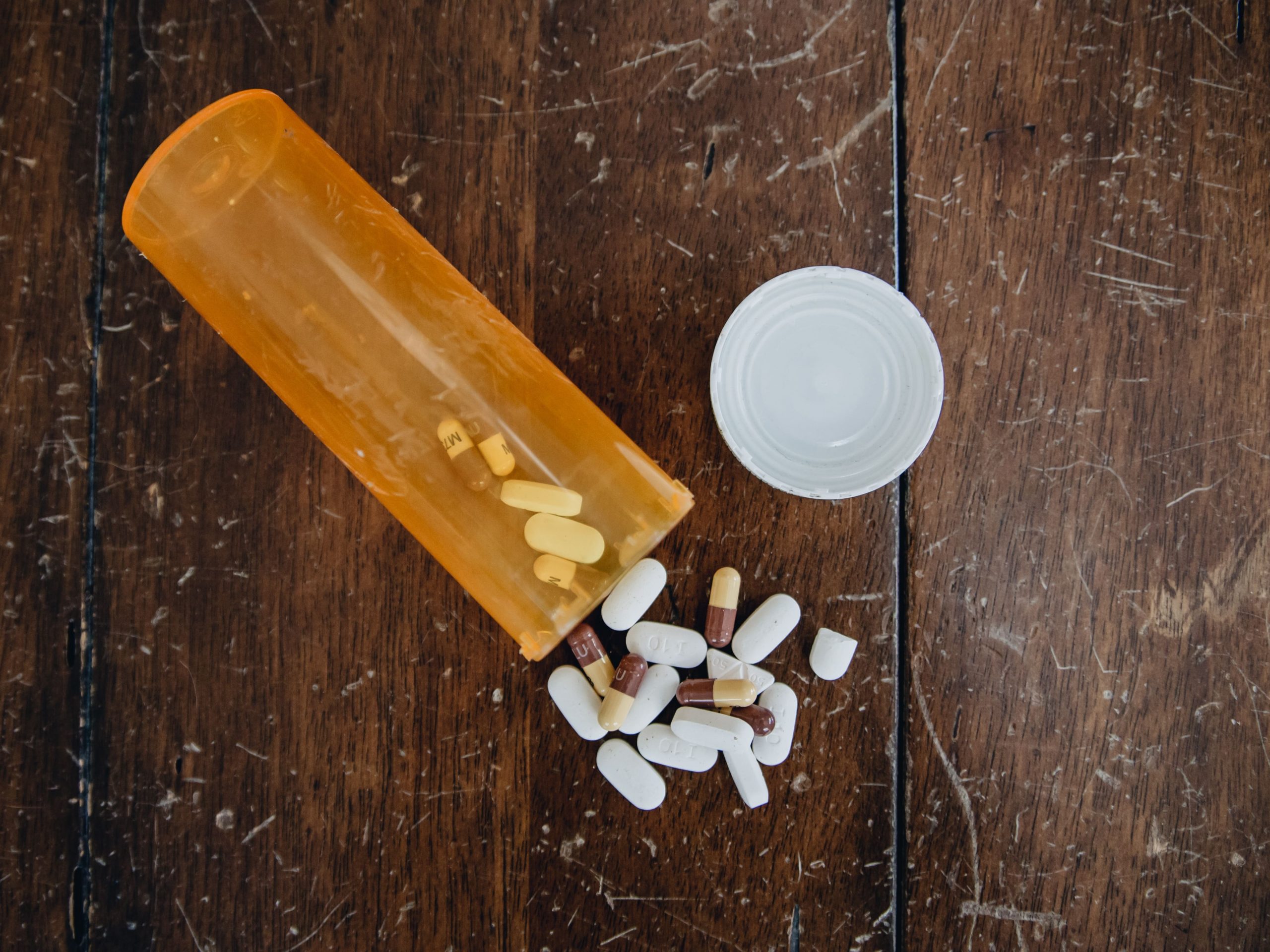
hand with two prescription drug pills, glass of water in background

Benzodiazepines: Street use = misuse

What are benzodiazepines for? Benzodiazepines or ‘benzos’ are sedatives used to treat anxiety or insomnia by calming down activity in the brain. Popular brands include Valium and Xanax. 

How are benzos misused? Some people use benzodiazepines for recreational highs, while others use them to manage coming down from stimulants like cocaine. You may also have heard of them being referred to as ‘roofies’ or ‘date-rape’ drugs. 

Mixing benzodiazepines with other drugs and alcohol presents a higher risk of overdose or death. In 2023, the number of benzo-related drug deaths in England was 512, the second highest it’s been in 30 years⁴. 

Illegal use of Z-drugs 

What are Z-drugs for? As the name suggests, Z drugs are used to help you sleep. In the UK, Zopiclone and Zolpidem are both licensed for prescription.   

How are Z-drugs misused? Z-drugs have both addiction and dependence potential. They’re among the most common medicines illegally diverted from the regulated supply chain in the UK⁵. 

The non-medical use of Z-drugs is more prevalent among heroin addicts than stimulant users, who are more likely to abuse benzodiazepines.

One study revealed around 635,000 adults had misused either benzos or Z-drugs in a 12-month period⁵.


What makes prescription drugs addictive?

Part of the problem is accessibility. The influx of online, unregulated drug stores makes medication easy and cheap to buy without prescription. 

All these prescription drugs cause alter the brain in different ways. They can change the way you perceive pain, experience pleasure, respond to danger and regulate emotions. This change in your ability to judge situations can force you into thinking you need more prescription meds to function. 

For people living with chronic pain, prescription drugs like opioids can become a daily crutch that’s hard to relinquish.   

Over the last few years, the NHS has been actively tackling the problem of overprescribing, leading to a reduction in opioid, benzo and Z-drug prescriptions. This has saved lives and prevented thousands of incidents of self-harm.

Yet, the problem still exists. Prescription drug addiction is even growing among older adults. If people continue to take more prescribed medication for longer, are we likely to see a rise in dependence? 


Am I addicted to prescription drugs?

There are certain red flags that could point to a dependence on prescription drugs. Do you find yourself self-medicating to get through the day or difficult situations? Have you shopped around to get extra supplies? Here are some signs you may be suffering:

  • Feeling like you can’t live without your meds
  • Gradually needing more drugs to take the edge off
  • Asking other people to get prescription drugs for you
  • Constantly thinking about your next tablet
  • Getting withdrawal symptoms when you try to stop
  • Being agitated or angry when questioned about drug use

Always review your health status with a trained professional, especially if you’ve been taking prescription drugs for a while. 


How can Delamere help with prescription drug addiction?

Delamere is a welcoming and non-judgemental space for people suffering with prescription drug addiction. We will help you to find the root cause of your addiction and put the essential steps in place to help you recover. 

Following a medically supervised detox, your focal therapist will work with you in one-to-one and group sessions. We’ll help you identify your triggers and learn new techniques to overcome your addiction to prescription drugs. 

Delamere wild flowers

Opioid prescriptions have reduced thanks in part to investment in holistic therapies, such as music making and visual arts, which help people to better manage chronic pain. 

At Delamere you’ll have the chance to rest your mind and body through a range of holistic therapies, from targeted exercise and nutrition to meditation and yoga. Our Treatment Model is designed to help you stop cravings, start rebuilding your life and grow beyond addiction. 

If you’d like to find out how we can help, call us confidentially to speak to a member of the team today. Contact Delamere     


References

  1. NHSBSA Statistics and Data Science. Dependency forming medicines 2024/25. 31 July 2025. 
  2. UKHSA (2023) Shooting Up: infections and other injecting-related harms among people who inject drugs in the UK, data to end of 2021. UK Health Security Agency. 
  3. Eghrari, N.B., et al. (2025). Risk of dementia following gabapentin prescription in chronic low back pain patients. Regional Anaesthesia & Pain Medicine. Doi.org/10.1136/rapm-2025-106577 
  4. Conor Stewart. Death from benzodiazepine use in England and Wales 1993-23. Statistica.com. Feb 7 2025. 
  5. Joanna Hockenhull et al. Non-medical Use of Benzodiazepines and Z-drugs in the UK. Br J Clin Pharmacol. 2021;87:1676–1683.
Overcoming addiction at Delamere recovery center
Need help?
Call us confidentially at any time to speak to a member of our team.

Call us now: 0330 111 2015
Summary
How addictive are prescription drugs?
Article Name
How addictive are prescription drugs?
Description
Learn more about the most misused prescription drugs in the UK and how to overcome addiction with Delamere wellness retreat.
Author
Publisher Name
Delamere Health Ltd
Publisher Logo


Hope and healing for a sober future at Delamere

About the author: Mandy Donnison

Mandy manages our admin, HR and finance functions here at Delamere. Find out more about Mandy on our team page.


Related Treatments

FIND OUT MORE ABOUT OUR WORK WITH


Let us help you today

Start your recovery journey by calling our admissions team today.

Confidential. Straightforward. Friendly.


Call now: 0330 111 2015 Visit the contact us page