

Recovery Journeys: How burnout opened the door to addiction


- What is burnout?
- Guest testimonial: Mike’s experience with burnout
- The connection between burnout and substance misuse
- Supportive treatments and strategies to aid burnout recovery
- Getting to the root cause of addiction
What is burnout?
‘Burnout’ is recognised by the World Health Organisation (WHO) as an ‘occupational phenomenon’.
It often develops after prolonged pressure and chronic stress, leading to extreme physical and emotional exhaustion, a sense of detachment or cynicism, and the feeling that you cannot complete tasks well no matter how hard you try.
There is a common misconception that burnout only affects high‑flying corporate professionals. In reality, burnout can develop from ongoing daily pressures, such as managing a household, parenting responsibilities, the expectations of social life – or juggling the demands of a neurodivergence.
When left unrecognised or unsupported, burnout can increase vulnerability to unhealthy coping strategies, including substance misuse.
Mike’s experience with burnout

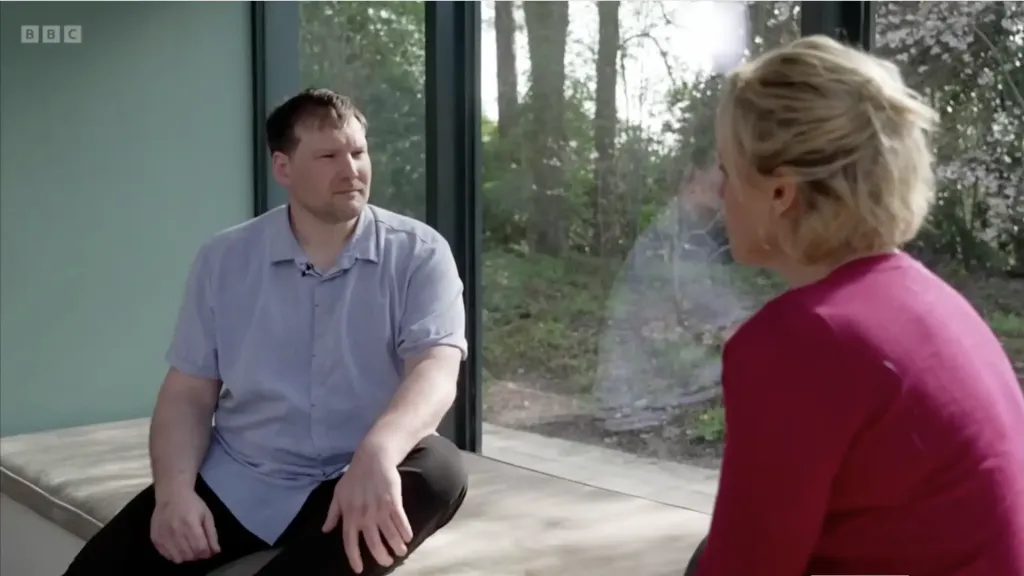
Our former guest Mike recently discussed his personal experience of burnout on BBC Morning Live. Learn more about his story below.
For Mike, burnout slowly crept in over time.
He recalls first experiencing burnout as an early adult, when pressure started to mount in different forms and became increasingly overwhelming.
In my late teenage years and early adulthood, I was always in fight or flight. I remember having periods where I would shine and feel extreme highs, then drastically low moments to follow,” he says.
I had trouble with hyper arousal, where smells, crowds and social plans would feel intense and difficult, rather than enjoyable. The smallest tasks would feel like a mountain to climb, and I’d let them build up until they sent me into a state of withdrawal, fatigue or I would have an irrational reaction.
Later into his adulthood, Mike was diagnosed with AuDHD, a co-existing neurodivergence that makes life challenging. This diagnosis helped him to understand why burnout affected him specifically.
Like many others with this complex neurodevelopmental disorder, Mike experiences opposing needs for structure and stimulation. This creates a challenging balance between focus, social communication, sensory sensitivity and emotional regulation.
The need to satisfy conflicting demands meant he was more susceptible to burnout.
The connection between burnout and substance misuse
When Mike came to Delamere, he had hit a dangerously low point. Like many people with burnout, he was choosing to self-medicate, in his case with alcohol and cocaine.
He explains: “I drank alcohol and went to parties in my teens and early twenties, as many others do. It became dangerous for me because I subconsciously realised that these substances helped to turn off the noise in my brain.
They provided temporary relief for the overwhelming feelings I was experiencing and helped me to cope initially. Very quickly, I became reliant on cocaine and alcohol. It took an enormous toll on my body, as well as my relationships and overall happiness.
I eventually managed to stop drinking and taking drugs, but I then became addicted to my AuDHD medication. I treated it as a coping mechanism, rather than addressing all the other factors contributing to the way I felt whilst sober.
Supportive treatments and strategies to aid burnout recovery
Mike came to Delamere for support and treatment for his substance misuse. He knew he needed more support than simply attempting to get sober again.
Through a tailored treatment programme, he was able to understand that burnout was playing a huge role in his addiction.
Our specialised clinical therapists worked closely with Mike to delve into the root of his problem and offered stress management strategies that he now uses to manage his symptoms.

In one-to-one therapy sessions with Delamere’s Head of Therapy, Chris Lomas, I was finally able to understand how my brain works,” he says.
It was almost as if he pulled out my brain and dissected it, to help me understand where the patten of behaviour came from.
Whilst the detox is important, the strategies that help me manage burnout have been most effective for me. I now break tasks down into manageable chunks, rather than automatically thinking of the impossible end goal.
I keep a routine that works for me to minimise daily decision‑making. Putting some tasks on autopilot frees up mental energy for more demanding activities, and practices like yoga and breathwork are now an essential part of my daily routine.
Understanding the risks and symptoms of burnout
Mike’s story highlights how burnout is not a sudden breaking point, but often a slow accumulation of stress, unmet needs, and constant pressure. When these experiences go unrecognised, substances can begin to feel like a way to cope.
By understanding burnout and addressing its causes alongside addiction, recovery becomes not just about abstinence, but about building a life that manageable in the long term.
Getting to the root cause of addiction
Delamere has recently launched Root, an extension of our treatment programme offering a further two weeks’ residential stay on top of the core four weeks designed to explore the underlying causes of addiction and behavioural disorders.
To learn more about the treatment options available at Delamere, please contact a member of our team.
If Mike’s story has inspired you to share your own experience and support others on their recovery journey, we would love to hear from you.


Professional help at Delamere
At Delamere, we understand that addiction can be complex and challenging. Our comprehensive treatment approach addresses both the physical and psychological aspects of addiction, helping individuals break free from dependency and build a foundation for lasting recovery.
Our Stop, Start, Grow, Bloom programme guides guests through:
- Stopping harmful behaviours and breaking the cycle of addiction
- Starting to address the underlying psychological and emotional factors
- Growing healthier coping strategies and life skills
- Blooming into long-term recovery with ongoing support

Latest from Delamere
Could Delamere’s Extended ‘Root’ Addiction Treatment Programme Work for You?
We created Root; a pioneering, two-week extension of our core 28-day programme. It’s an immersive, advanced track for guests at Delamere.

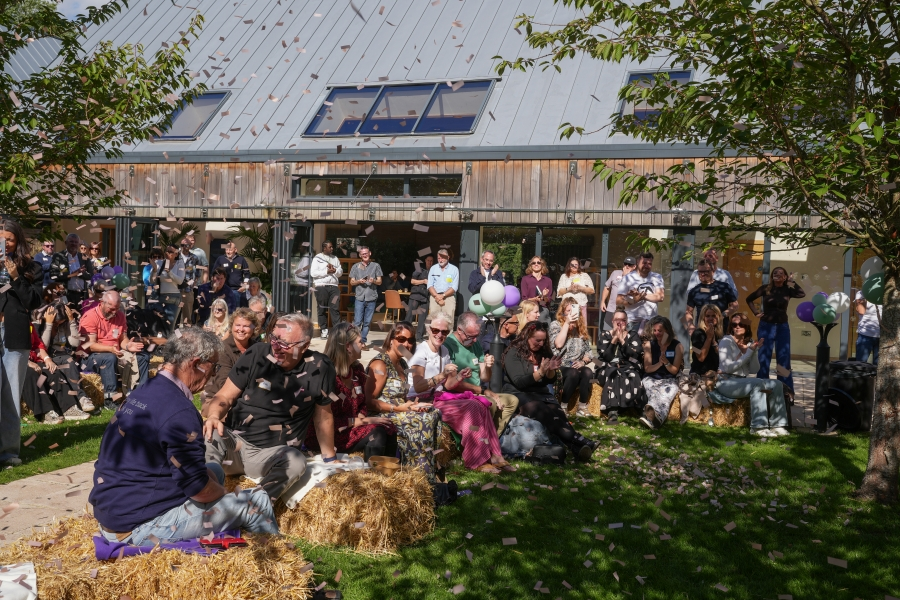
200 Attend Delamere’s 2026 Alumni Event: The Rhythm of Recovery
We opened the doors at Delamere to welcome back almost 200 former guests & celebrate recovery with a for our 2026 alumni…

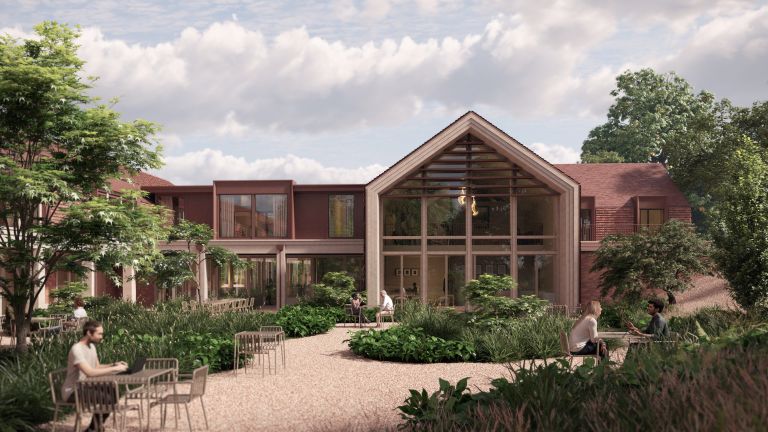
Delamere Expands to Nottingham with Second Purpose-Built Facility
Delamere is bringing its pioneering addiction treatment to Nottingham. Our new 32-bed, purpose-built facility opens in late 2027. Read more.

Recovery Journeys – Glynn Horne
For the fourth instalment of Recovery Journeys, we’re sharing Glynn’s story. Glynn discusses what he faced due to his addiction to alcohol.