

Easy Meditation: Techniques for Beginners in Recovery

What’s included?
- Introduction
- How does meditation help people in recovery?
- What simple meditation techniques can help me stay sober?
- Which mindfulness techniques are best for beginners?
- How does Delamere use mindfulness in recovery?
Have you ever considered trying meditation in recovery? Thanks to wellness apps like Calm, Headspace and the Mindfulness App, along with celebrity endorsers, meditation is becoming more popular and accessible than ever.
An estimated 200-500 million people now meditate worldwide. With statistics showing daily meditation can reduce anxiety levels by 60% and insomnia by 50%, it’s not surprising the practice has been widely adopted in addiction therapy.
Here, we’ll share a bit about how meditation can help support sobriety and some simple mindfulness exercises for beginners.

Call us confidentially at any time to speak to a member of our team.
Call us now: 0330 111 2015
How does meditation help people in recovery?
Meditation is an age-old practice. First implemented in therapy-based recovery programmes in the 1980s, it’s since formed part of important intervention techniques such as Mindfulness Based Stress Reduction (MBSR) and Mindfulness-based Cognitive Therapy (MBCT).
Today, meditation is widely recognised as having multiple benefits that may prevent relapse during addiction recovery.
Reducing stress and anxiety
Chronic stress and anxiety are known drivers of addiction. Left unchecked, they can lead people to self-medicate with alcohol or drugs to calm an agitated mind. Meditating during recovery helps to block negative thought patterns and keep you motivated.

Controlling cravings
Buddhists believe that cravings can lead to suffering and that this can be avoided with mindfulness interventions. Meditation is linked to increased self-control, helping to manage your cravings for alcohol or drugs.
Regulating emotions
Addiction interferes with parts of the brain that regulate emotions. Research shows people in recovery who mediate at least three times a week are nearly half as likely to relapse into depression compared to those who meditate less frequently.
Improving focus
Keeping your mind present is key to lasting recovery. People who have suffered with drug or alcohol addiction often get stuck in a cycle of overthinking or obsessing over the past. Meditation strengthens the prefrontal cortex which controls attention span and decision-making. Keeping you focused.
What simple meditation techniques can help me stay sober?
If you’re overcoming a drug or alcohol addiction, you may be wondering how meditation could help you in recovery. Can meditation stop harmful thought processes? How effective is mindfulness for maintaining sobriety? Let’s have a look at some simple tools:
Mindfulness
It all sounds very profound, but mindfulness is really just about creating stillness and space to live in the present moment.
This could be as simple as sitting in a quiet room and focusing on your breathing or chewing food more slowly to recognise nourishment in every mouthful. NHS Better Health has some great advice to get you started.
Breathwork
You’ve probably heard of breathing practices like the Wim Hof method, which includes cold exposure, or the ancient Pranayama techniques used in yoga.
Whatever type of breathwork you choose, it’s hard to get it wrong, making this one of the easiest meditation techniques for beginners to master in recovery.

Guided meditation
If you find it hard to switch off, you might benefit from a guided therapy session. This is usually led by a qualified therapist either in a group or face-to-face.
You can start guided meditation sessions during your recovery programme and support your learnings by using a wellness app, like Headspace, at home.
Mantra meditation
Transcendental literally means ‘beyond the ordinary’–an experience that goes beyond the physical realm.
In meditation, it’s often used to describe a simple two-word mantra repeated to yourself for 20 minutes twice a day. This provides deep rest for your mind and body which can help you remain focused during addiction recovery.
Which mindfulness techniques are best for beginners?
DIY sound bath
Turn down the lights, put on some candles and create a quiet space to relax. Either download a sound bath online or create your own sound bath by making simple instruments at home. Humming and chanting can add to the deep, meditative experience.
4-7-8 breathing technique
This is one of the simplest breathing exercises for beginners in recovery. Inhale through your nose for four seconds, hold your breath for seven seconds, then exhale through your mouth for eight seconds. Repeat this pattern several times to help calm your nervous system and improve sleep.
Colouring or journalling
Another simple activity that’s easy to start is mindful colouring or journalling. Take time out of your day to record your thoughts or create restful patterns. Engaging in regular periods of reflection helps you to process emotions and stay focused on recovery.
Mindful eating
Alcohol and drug addiction can affect your gut microbiome, promoting anxiety and impulsive behaviours. To practise mindful eating try to be fully present during a meal. Make sure you’re sitting down, eat slowly and focus on the taste and texture of every bite.
It helps to really concentrate on chewing your food. This not only supports better digestion but can help you overcome comfort eating.
Body scan
You don’t need any special tools or props to do this easy mindfulness exercise. Simply lie on your back with palms facing upwards. Start by bringing awareness to your breath, concentrating on how your chest rhythmically moves up and down.
Then, gradually awaken your senses to every part of your body, from the tip of your toes to the top of your head. Concentrate on your breath as you scan up slowly releasing tension at every stage.
How does Delamere use mindfulness in recovery?
Learning to practise meditation and mindfulness is an active part of your recovery at Delamere. Following a clinical detox for alcohol or drug addiction, our guests are invited to take part in a variety of holistic therapies to support lasting abstinence.
The Delamere Treatment Model introduces you to a wide range of simple mindfulness techniques to use in therapy sessions and when you return home. Our rehab programmes include art therapy, equine therapy, yoga and breathwork, massage, nature walks and fire ceremonies.

Every person’s recovery is tailored to their personal needs. We’ll work with you to find the holistic therapies that work best for you. Whether it’s meditation or daily journalling, you’ll leave with a set of simple tools for a life of sobriety.
If you’d like to find out how meditation could support your recovery, call us confidentially to speak to a member of the team today. Contact Delamere
Call us confidentially at any time to speak to a member of our team.
Call us now: 0330 111 2015


Professional help at Delamere
At Delamere, we understand that addiction can be complex and challenging. Our comprehensive treatment approach addresses both the physical and psychological aspects of addiction, helping individuals break free from dependency and build a foundation for lasting recovery.
Our Stop, Start, Grow, Bloom programme guides guests through:
- Stopping harmful behaviours and breaking the cycle of addiction
- Starting to address the underlying psychological and emotional factors
- Growing healthier coping strategies and life skills
- Blooming into long-term recovery with ongoing support

Latest from Holistic Programmes

Holistic diet tips to balance energy and mood
Find out our holistic diet tips to balance energy and mood, & why a holistic diet is important during addiction recovery.
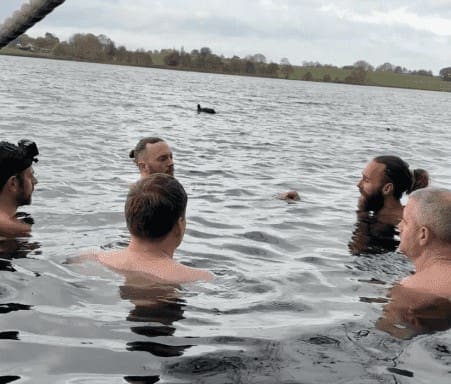
Why it’s important to reconnect and how holistic therapies can help this
Find out about the Delamere away day at The Farm Club in Cheshire, and how holistic therapies can help us reconnect.


The Power of the Breath
Discover how breathwork therapy can help in battling addiction and how Delamere teaches techniques that can be tools for guests.

Values led recovery
Find out about how core values can help on the road to recovery, & how they're an important part of the treatment…