

Drug Addiction Treatment at Delamere

When drugs start to take over your thoughts, feelings and actions, it’s time to seek help. Get confidential drug addiction treatment from a leading UK rehab clinic.
Book a free consultation

Drug Addiction
Drug Addiction
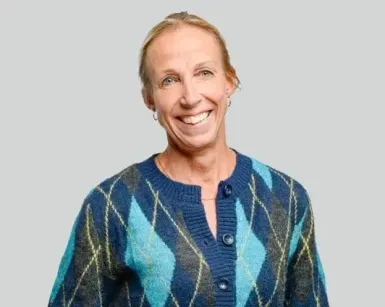
Dr Carney headshot
Clinically reviewed by
Dr Catherine Carney - Psychiatrist at Delamere
January 19, 2026

What is drug addiction?

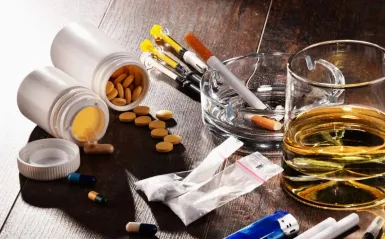
Drug addiction is a chronic and progressive brain disorder characterised by a compulsion to take drugs despite negative consequences.
People take drugs to feel pleasure, reduce stress or enhance performance. With continued use, drugs can cause changes to brain circuitry which affect our response to reward, stress and self-control. ¹

When drugs become a priority over basic care needs, affecting work, family and social life, it’s time to seek drug addiction treatment.

Who needs drug addiction treatment?

Not everyone who takes drugs will develop an addiction but there are certain factors that put people at a higher risk.

These include a history of trauma or adverse childhood experiences, an unstable home environment, social pressure, and certain personality types.

Your home environment and social circles also play an important role in your relationship with drugs. For instance, people who grow up with parents who abuse drugs, and are exposed to drugs at a young age, are more likely to develop serious problems in the future. ¹

The key takeout is that drug addiction does affect people of all ages from all backgrounds and there is no shame in seeking professional treatment.

Signs and symptoms of drug abuse

Physical signs and symptoms of drug addiction (Substance Use Disorder) differ depending on the type of drug being used. Stimulants, such as cocaine, speed up the body and brain, while depressants, like cannabis, slow speech and movement down. There are, however, some general physical and mental red flags that signal drug abuse.


Early warning signs of drug abuse

  • Strong drug cravings and compulsion to use
  • Drug tolerance: needing more or mixing drugs for effect
  • Drug dependence: experiencing withdrawal without drugs
  • Being unreachable for extended periods
  • Frequent drug intoxication

Behavioural changes in drug addiction

  • Increased anxiety or depression
  • Becoming socially withdrawn and demotivated
  • Mood swings and irritability
  • Erratic, unpredictable behaviour
  • Hiding drugs or lying about using
  • Neglecting work or school

Physical health indicators of a drug problem

  • Substantial changes in sleeping pattern
  • Changes in weight and appearance
  • Poor coordination
  • Bloodshot or ‘glazed’ eyes
  • Constricted or dilated pupils
  • Slurred speech

“Delamere focuses on equipping you with the tools to love sobriety and understand what led to the addiction in the first place which really helped me grow.” – Former Delamere Guest


View Our Treatment Model View our Environment Call now: 0330 111 2015

When to seek drug addiction treatment

People typically seek drug addiction help within a drug rehab when their relationship with drugs has become detrimental to themselves and the people around them physically, mentally, emotionally, socially, and spiritually.
Over the years, our professionals have worked with many guests who have battled drug addiction. For this reason, we understand that we’re all unique and different drugs present different challenges. Our experts assess the level of the problem before devising a tailored drug detox and support plan.

“My own journey through addiction was the inspiration for Delamere. We provide exemplary care in first-class facilities, focusing on creating lasting outcomes for our guests and their families. Helping them not just overcome their addiction, but grow beyond it.”

Martin Preston
Founder & CEO

The Delamere approach to drug addiction treatment

Drug addiction treatment at Delamere is designed to provide you or a loved one with the necessary tools to live a life free from addiction.
During your time at Delamere, our four-phase programme will start by taking you through a safe and assisted drug detox supervised by our team of medical professionals.
United by a common goal to support guests in growing from addiction, our Delamere team is made up of passionate therapists, doctors, nurses, counsellors, and support staff, some of whom have also overcome addictions themselves.

Our emphasis is on holistic care to treat addiction and associated issues. This means that we treat the whole person rather than just the symptoms they present with. We believe that successful treatment runs far deeper than simply stopping the addictive substance or behaviour.

Our approach at Delamere comprises four core phases: Stop, Start, Grow, & Bloom. Everything we offer at Delamere aims at effective and lasting outcomes in addiction treatment:

  • Delamere Treatment Model - Stop Icon
    Stage 1: Stop

    This phase addresses any physical aspects of your addiction. Our medical team is on hand 24/7 to ensure a safe and effective withdrawal.

  • Delamere Treatment Model - Start Icon
    Stage 2: Start

    During ‘Start’ we help identify the psychological underpinnings of your dependency as you participate in a variety of addiction treatment therapies.

  • Delamere Treatment Model - Start Icon
    Stage 3: Grow

    Our ‘Grow’ phase is the process of integrating the Delamere learning experience into life after treatment.

  • Delamere Treatment Model - Bloom Icon
    Stage 4: Bloom

    Our ‘Bloom’ phase offers intensive support on a weekly basis for the first three months of recovery once guests return home.

What to expect in drug detox and withdrawal

The first part of your drug addiction treatment is a medically supervised drug detox. This is a simple procedure that provides all the clinical support you need to safely withdraw from drugs. You’ll be introduced to some light therapy and prescribed medication, if necessary, to help you recover at your own pace.

Day 1 to 2
During the first couple of days of drug withdrawals you’ll start to experience symptoms such as anxiety, restlessness, headache and nausea. Our nursing team will help you to manage any discomfort.

Up to 72 hours
By day three most symptoms will have subsided, and we will continue to provide ongoing care to put you at ease.

Week 1
In week one following your detox you’ll start intensive therapy with a focal counsellor and within group settings to help overcome your addiction.

  • 24-hour care & support
    24-hour care & support
  • UK's only purpose build clinic
    UK's only purpose build clinic
  • All accommodation en-suite
    All accommodation en-suite
  • Discreet, private location
    Discreet, private location
  • Family programmes
    Family programmes
  • Unique, innovative treatment approach
    Unique, innovative treatment approach
  • Outcomes focused
    Outcomes focused
  • Free collection service
    Free collection service
  • Air Conditioning
    Air conditioning

How to encourage a loved one to get help for drug addiction

Family members, friends, and even work colleagues also suffer as a direct result of the dysfunctional behaviours and the immense fear that addiction creates.

If you’re looking for help for someone who is displaying symptoms of a drug addiction, we’re here to help. It may be that the person in question is in denial about the extent of their problem and resisting professional help.

At Delamere, we provide family support services and help your loved one confront addiction.

We can also offer intervention services where we help prepare and rehearse a formal intervention that will culminate in your loved one entering treatment with us.

Discuss an intervention

FAQS on drug addiction treatment

How long does drug addiction treatment take?

Everyone has different treatment needs depending on many factors, including the drug they are addicted to and how long they have been taking it for.

At Delamere, we believe that our deliberately intensive, immersive, and comprehensive treatment programme encourages profound transformations within a relatively short space of time. For this reason, we offer 28- or 42-day packages to our guests.

If you’re unsure how long you might need to stay with us, contact us today for a free and confidential assessment from our friendly admissions team.

What type of drug addictions do you treat?

Our Delamere clinical team treat all manner of drug addictions intensively and comprehensively within our state-of-the-art private rehab centre.

This includes cannabis addiction, ecstasy addiction, steroid addiction, amphetamine addiction, crack addiction, ketamine addiction, cocaine addiction, heroin addiction, and prescription drug addictions.

Whatever form addiction presents itself in for you or your loved one, it requires professional drug addiction treatment and support to successfully overcome it.

Do I need a referral to get drug addiction treatment?

No, you can usually self-refer. While it can be helpful to share your concerns with your GP, it’s entirely your choice if you wish to access private treatment.
Calling Delamere directly means you get immediate access to the advice and support you need at a time to suit you. If you’re concerned about a friend or family member’s drug addiction, we can also help you stage an intervention.

What types of addiction treatment do you offer?

We believe in treating each case on an individual basis. Which is why we offer a wide range of different drug addiction treatments.

A typical rehab programme will include a Drug detox followed by both one-to-one and group therapy. Your treatment can include art therapy, music therapy, equine therapy, meditation, mindfulness, yoga, journalling, fire ceremonies and nature walks.

Do you also treat prescription drug addictions?

Just like illicit drugs, prescription drugs can also be extremely addictive and begin to take control of a person’s life.

If you are worried about any form of prescription drug addiction, whether for you or someone you care for, we can help.

We provide both a full prescription drug detox and prescription drug rehab treatment to help you or a loved one safely and successfully stop the addiction once and for all.

What happens after drug addiction treatment ends?

After you’ve completed the residential part of your treatment, we will continue to support you throughout your recovery.

Our ‘Bloom’ phase consists of twelve weeks of aftercare in small groups of peers guided by a personal Bloom Mentor.

After this, you’ll have access to 12 months of care, involving weekly sessions at the clinic or in remote sessions.

Let us help you today

Start your recovery journey by contacting us today.

Confidential. Straightforward. Friendly.

Get the support you need Call now: 0330 111 2015

Help and Support for Drug Addiction Recovery

Discover more advice on the Delamere blog

  • What really happens to the brain and body when you take ketamine?

    Find out what really happens to the brain & body when you take ketamine? LBC came to Delamere to speak about the increasing harm associated with ketamine use.

  • Cannabis is no longer just a ‘gateway drug’

    A recent study shows that cannabis use increases the risk of paranoia & poor mental health outcomes. Find out more at Delamere.

  • Everything you need to know about ketamine bladder

    What is ketamine bladder? Find out everything you need to know about ketamine bladder at Delamere Health.

  • Paying the price for a party: How cocaine can affect the brain

    Delamere takes a look at how cocaine can affect the brain. Read our blog, Paying the price for a party.

References

¹ NIDA. 2020, July 6. Drug Misuse and Addiction. Retrieved from National Institute on Drug Abuse on 2025, December 27.