

Delamere Launches First Addiction Rehabilitation Treatment KTP in the UK

What’s included?
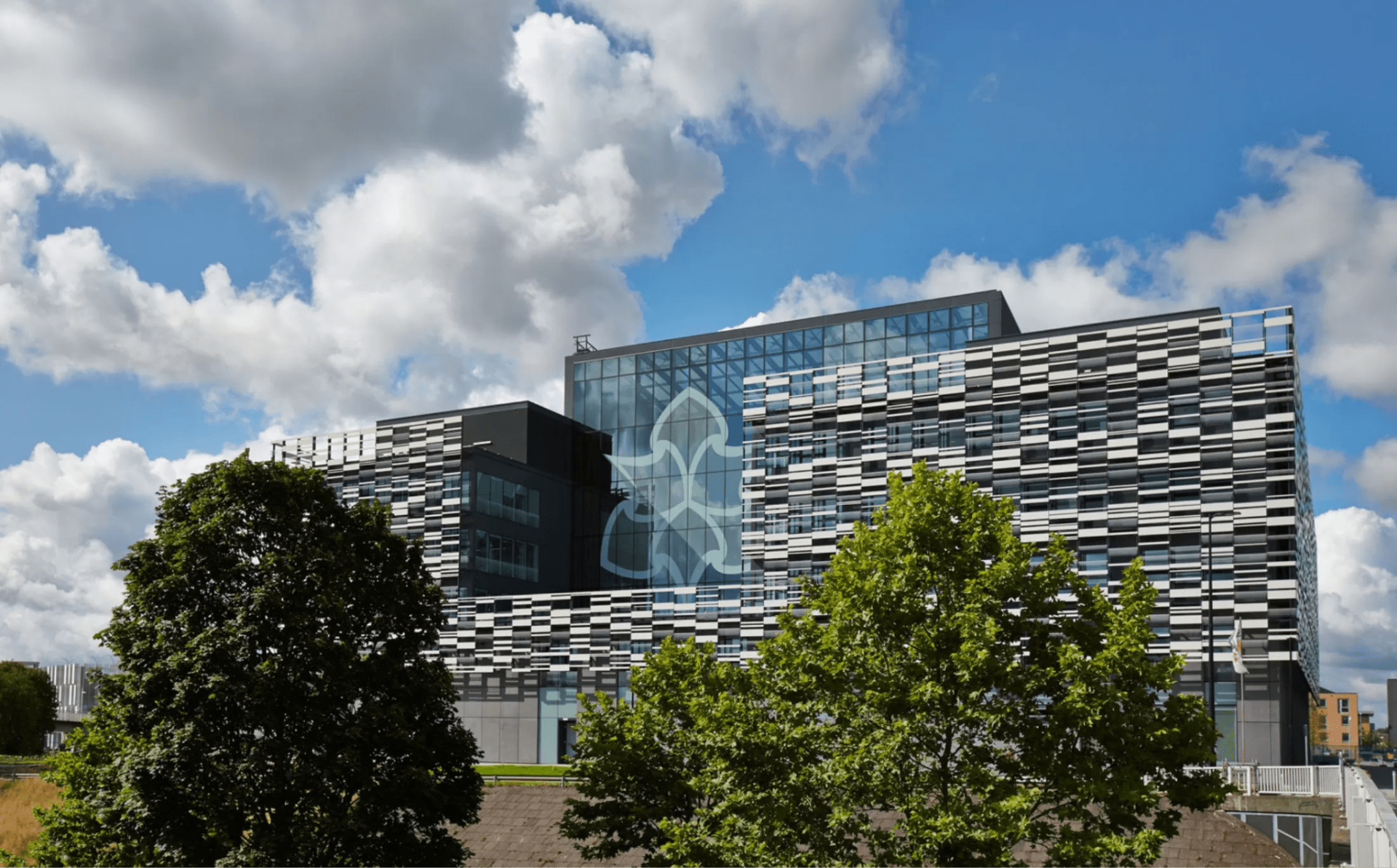
Last month, we announced a new partnership with Manchester Metropolitan University to embark on a groundbreaking study to measure outcomes in relation to the long-term effectiveness of addiction rehab treatment.
Funded by Delamere and Innovate UK, the Knowledge Transfer Partnership (KTP) will take place over a two-year period, drawing on expertise from the Substance Use and Associated Behaviours and Drugs, Policy and Social Change research groups at Manchester Metropolitan in assessing and improving the outcomes of our aftercare treatment model.

The unique, person-centred, and holistic treatment approach here at Delamere delves into the underlying causes of addiction rather than solely addressing the symptoms.
We endeavour to move the sector from simply measuring success by treatment completion rates and instead to meaningful outcomes that truly matter to individuals on their lifelong recovery journey.
Our Associate for the project has been hired and will start their role in the middle of August. Watch this space!

Call us confidentially at any time to speak to a member of our team.
Call us now: 0330 111 2015
Why are we doing this?
The project comes as addiction rates in the UK continue to rise with a 7% increase of adults in contact with drug and alcohol treatment services between 2023 and 2024, according to a report by Office for Health Improvement and Disparities.
Research shows that the three months after leaving treatment is the peak period for a risk of relapse.
We are the first to offer a personalised and structured post-residential support service. The final phase of our ‘Stop, Start, Grow, Bloom’ treatment model is a 12-week post-residential intermediate care service designed to combat the risk of relapse and ensure long-term healthy recovery.
Individuals may often return to environments that can trigger old behaviours and temptations, leading to a cycle of treatment and relapse.
During Bloom, we aim to break this cycle by providing tailored support that helps individuals navigate the challenges they face as they reintegrate into their daily lives.
The KTP project will support us to expand in this new service area by developing a novel, evidence-based circular evaluation/optimisation that will underpin Bloom so that it can determine what individual good outcomes look like, the most effective mechanisms to achieve them, and evidence that they work.
This will not only help to improve lasting, positive outcomes for people but will generate new knowledge of working with this under-researched and difficult to reach/engage group that can inform longitudinal change in the sector.
Evolving our treatment model
The KTP project will embed a new circular evaluation capability that we can use to design and launch new post-residential treatment services under Bloom (e.g. for gambling) and evaluate and optimise the outcomes of their residential treatments.
Collaborating with an academic partner will also ensure a rigorous and ethical approach that will increase customer confidence.
This partnership will ultimately evaluate our treatment model and create a paradigm shift in treating addiction behaviours to achieve lasting positive outcomes more effectively for the greater good.
Call us confidentially at any time to speak to a member of our team.
Call us now: 0330 111 2015


Professional help at Delamere
At Delamere, we understand that addiction can be complex and challenging. Our comprehensive treatment approach addresses both the physical and psychological aspects of addiction, helping individuals break free from dependency and build a foundation for lasting recovery.
Our Stop, Start, Grow, Bloom programme guides guests through:
- Stopping harmful behaviours and breaking the cycle of addiction
- Starting to address the underlying psychological and emotional factors
- Growing healthier coping strategies and life skills
- Blooming into long-term recovery with ongoing support

Latest from Delamere
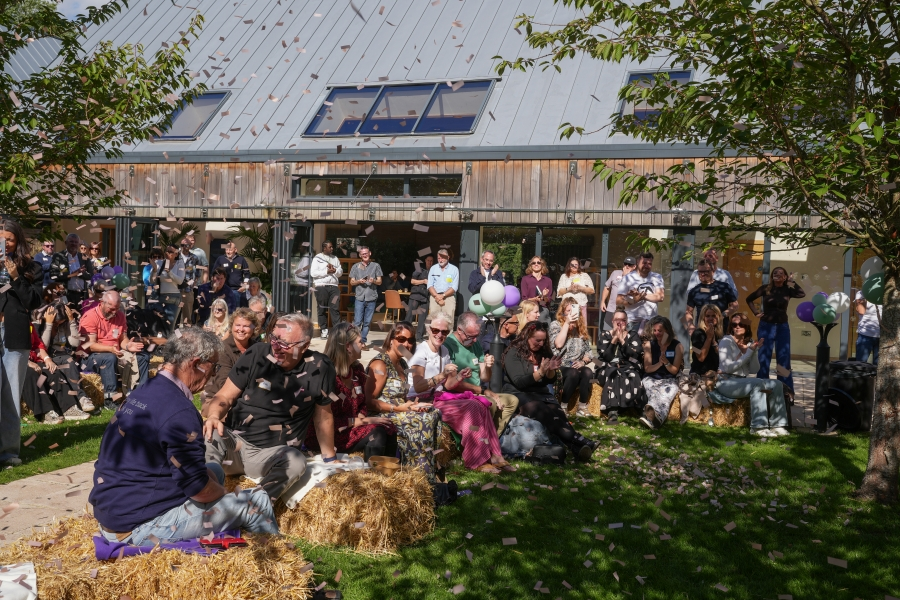
200 Attend Delamere’s 2026 Alumni Event: The Rhythm of Recovery
We opened the doors at Delamere to welcome back almost 200 former guests & celebrate recovery with a for our 2026 alumni…

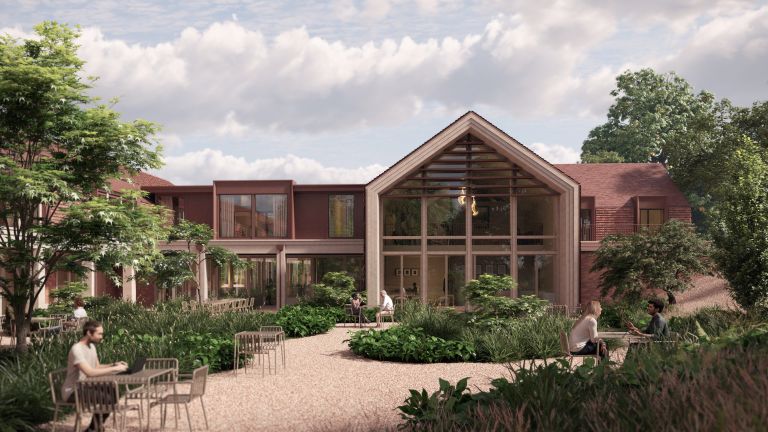
Delamere Expands to Nottingham with Second Purpose-Built Facility
Delamere is bringing its pioneering addiction treatment to Nottingham. Our new 32-bed, purpose-built facility opens in late 2027. Read more.


Recovery Journeys – Glynn Horne
For the fourth instalment of Recovery Journeys, we’re sharing Glynn’s story. Glynn discusses what he faced due to his addiction to alcohol.

Recovery Journeys: How burnout opened the door to addiction
Our former guest Mike recently discussed his personal experience of burnout on BBC Morning Live. Learn more about his story.